
 1 year ago
298
1 year ago
298 Threats to globalisation seem to be everywhere these days. The most recent high-profile dispute is in the rapidly-emerging global market for electric vehicles (EVs). Technologically-advanced Chinese EVs have found themselves the target of tariffs and anti-dumping probes.
Tariffs hikes set to take effect in the European Union and potentially in Canada threaten to deny consumers in these markets access to competitive products, although there are signs that EU negotiators are eager to engage with their Chinese counterparts to find a solution.
We should remember that similar efforts in the 1980s to protect American carmakers from Japanese competition ultimately led to Japanese carmakers localising production within the US. Innovative products have a tendency to find their way to eager customers regardless of the regulatory environment.
Should we believe the world is stumbling towards a new era of “deglobalisation”, where isolationism, autarky and economic decoupling push countries apart into competing economic blocs? I don’t believe so. On the contrary, there is plenty of evidence to indicate the world is undergoing “re-globalisation” – a revamp of an integrated system towards a multipolar world economy.
In the United States, despite rhetoric and policy efforts to reduce dependence on China, bilateral trade is still likely to grow. What has changed is that China is no longer the US’s largest foreign trade partner. That title returned to Mexico last year.
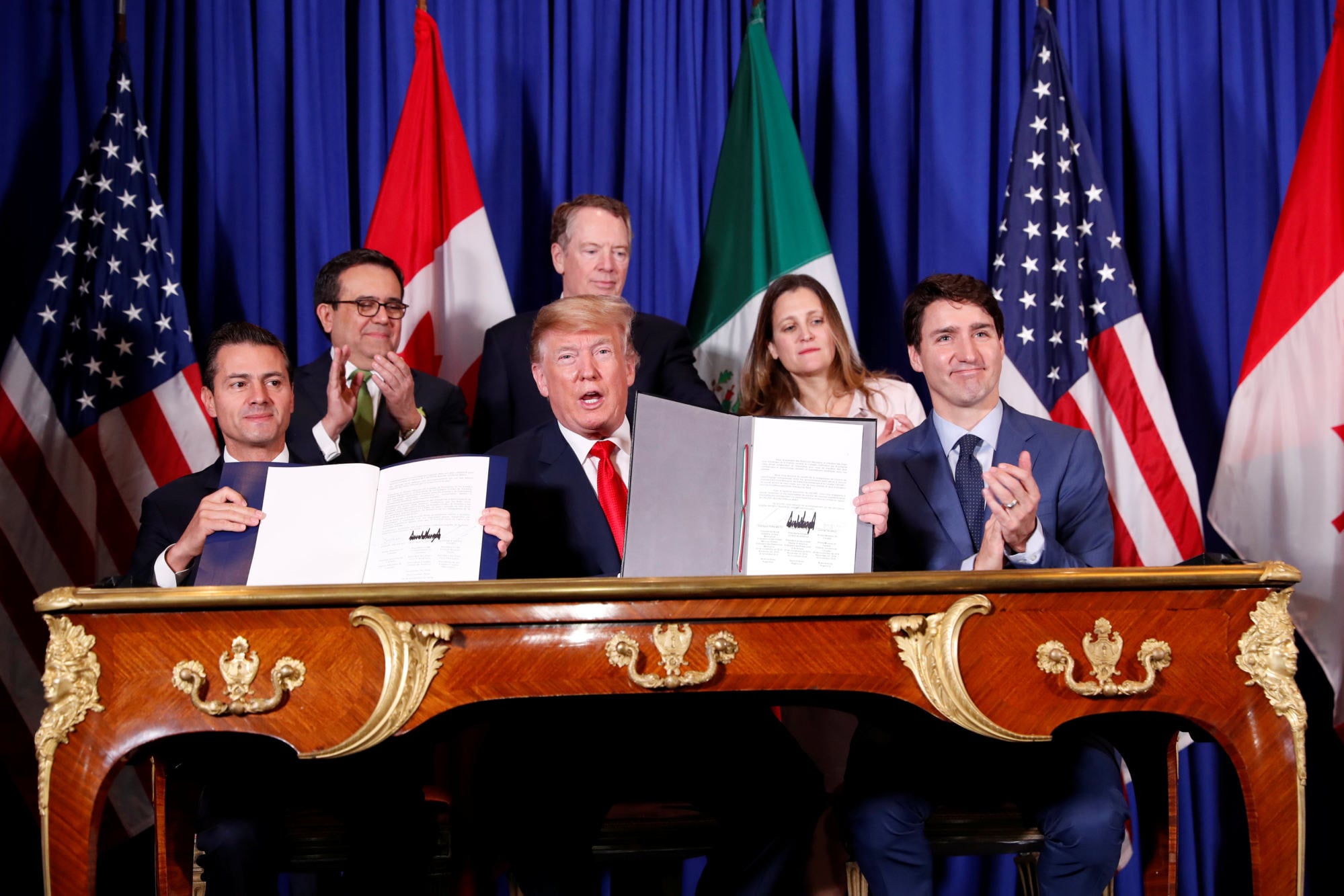
Mexico has long been highly integrated into the US economy, especially after the North American Free Trade Agreement went into effect in 1994, and more recently when the United States-Mexico-Canada Agreement (USMCA) replaced it.
This trajectory mirrors the experience of Central and Eastern European economies which started rapidly integrating into the EU after the fall of communism in the early 1990s. Former Soviet-aligned nations acceded to the EU in successive waves in the 2000s and began experiencing rapid convergence in per capita incomes compared to major Western European economies.
Let’s look closer at an economically integrated Europe’s trade relationship with China. EU-China bilateral trade data does show a drop from an all-time high. However, the data also suggests that EU-China trade could normalise.
I expect the growth trend will return despite the political noise we are currently hearing. But European and American tariffs on EVs from China are much lower than what would be required to discourage continued Chinese EV exports to the EU, which implies that there will continue to be competitive pressure as well as consumer choice.
Moreover, negotiations could indeed lead to onshoring of manufacturing by Chinese companies in Europe, which would bring their economies even closer.
09:30
China’s ‘gold rush’ in Mexico: why are Chinese companies investing south of the Rio Grande?
China’s ‘gold rush’ in Mexico: why are Chinese companies investing south of the Rio Grande?
Beyond goods, economic relationships are also changing as global trade is shifting from goods to higher-value assets like services, ideas, technology and data. The USMCA focused on trade regulation when it comes to trade in services and intellectual property rights.
The role of services trade and investment further proves that we are still globalising, just differently than before. For example, India’s services exports grew around 11 per cent to more than US$340 billion last year, as China’s services exports contracted by about 10 per cent.
With free trade agreements focusing on regulation in services, we should expect this sector to keep growing globally. The protectionist impulse for reasons of domestic political pressure, economic resilience, climate change and even national security are generally more focused on goods than services.
Finally, the momentum and urgency of the green transition in the face of climate change is also accelerating re-globalisation. The roll-out of sustainable energy depends on critical materials such as lithium, nickel, copper and radioactive isotopes used in nuclear power.
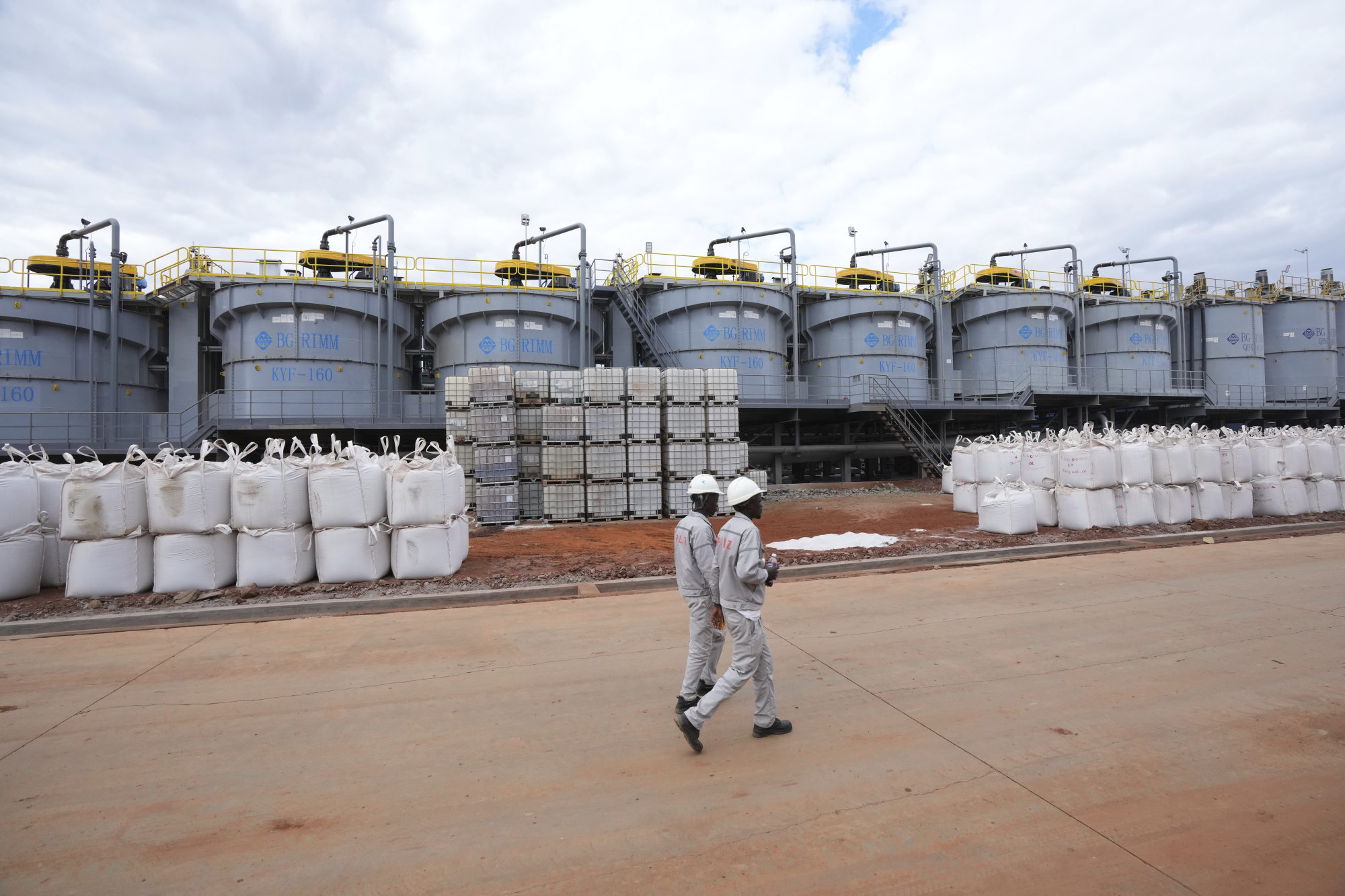
Large deposits for many of these commodities are found in emerging and even frontier markets, which are almost certainly aiming to export to Western markets as well as the emerging powerhouses of China and India.
The trade dynamics in these new global commodities will most certainly be impacted by powerful friendshoring and nearshoring trends for the foreseeable future, creating challenges but also opportunities for emerging markets that can shrewdly navigate the new geopolitical landscape.
It’s true that the world is past the Washington Consensus era of globalisation driven by the relentless pursuit of economic efficiency, but this new globalised economy in a highly connected yet multipolar world can still deliver growth and prosperity across economies.
David Chao is a global market strategist, Asia Pacific (ex-Japan), at Invesco



















 Bengali (Bangladesh) ·
  English (United States) ·