
A heartbroken Texas dog owner revealed that her dog was killed by a deadly disease spread by the so-called kissing bug.
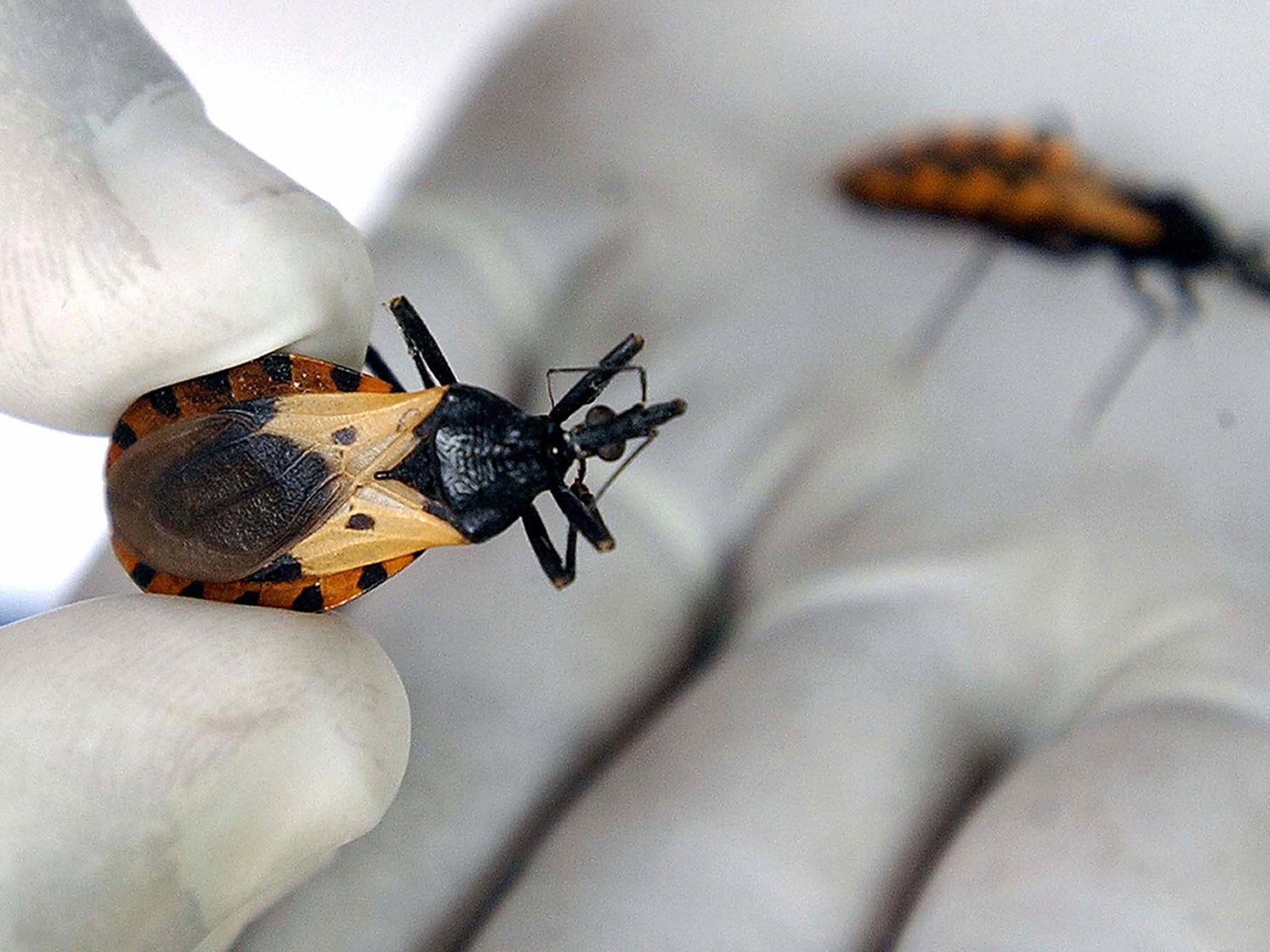
Tropical Chagas disease is spread by members of the Triatominae family, which earned its nickname from their habit of feeding around their victims’ mouths.
Becky Roche, from Austin, said that her dog, a Belgian Malinois named Ranger, suddenly collapsed while they were playing fetch last October.
Roche told KXAN that she and Ranger were usually “joined at the hip,” and that she had taken precautions to keep him healthy. She often avoided dog parks, kept Ranger close to her home and played with him often.
Concerned for his welfare, Roche raced him to the vet.
“He kind of went through some scenarios with me and mentioned that he was going to test for Chagas,” she said. “And I remember saying, ‘Oh, what’s that?’”
Roche says that her vet and other experts she later spoke to have reported an increase in Chagas cases in Austin. According to those experts, the so-called kissing bugs are already rife in San Antonio.
Eventually, Roche spoke to pest control to rid her garden of the bugs, but was told that it would take weeks of treatment. She was also warned that the effort may not even be effective, since the insects can fly and could have infested the local woods.
Roche told KXAN that Ranger woke up on November 30, ate breakfast and died in her arms.
“I don’t know if I’ll ever get over the fact that I could not keep Ranger safe in my own backyard,” she said.
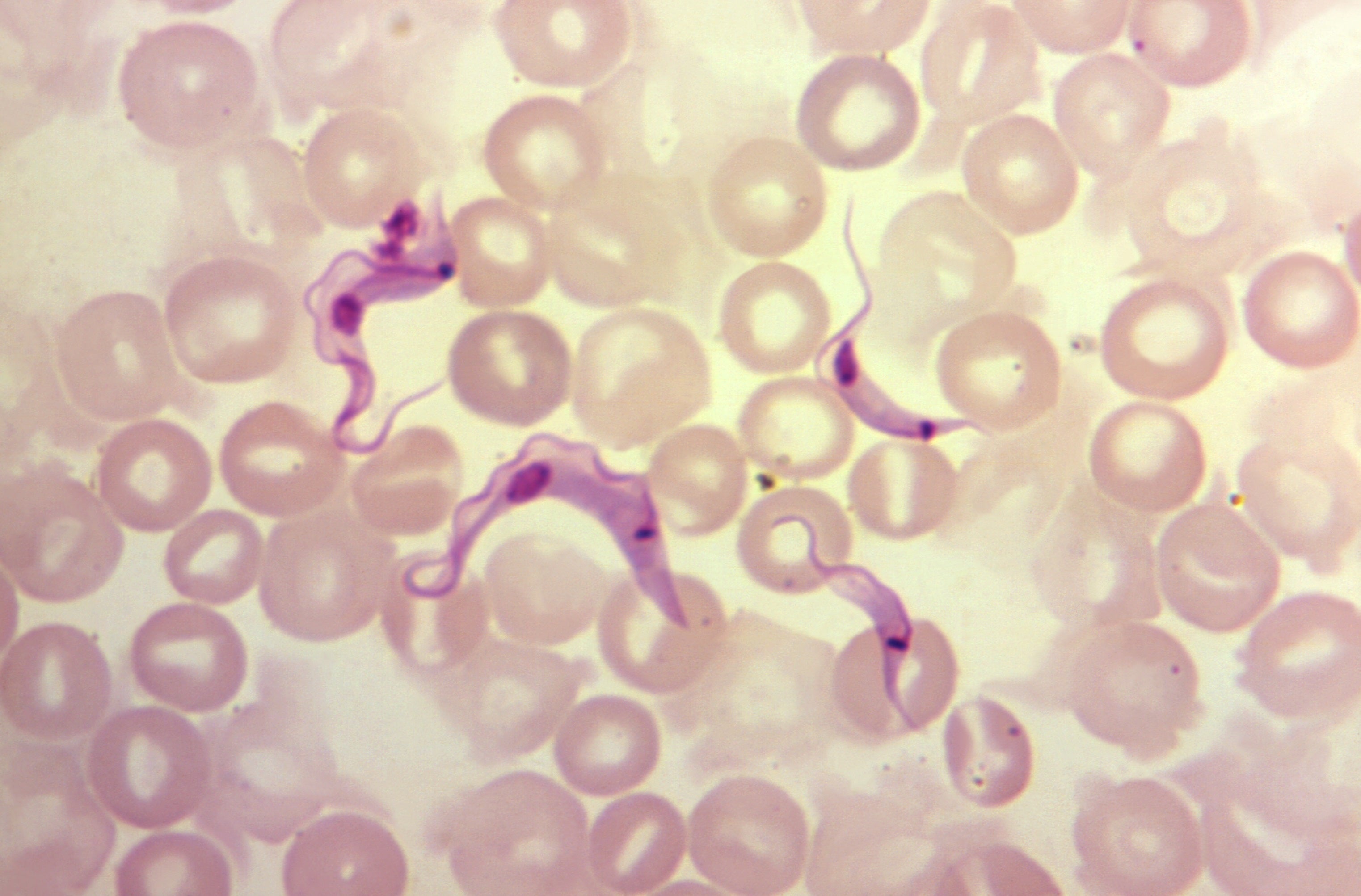
According to the World Health Organization, the parasites that cause Chagas disease are spread through the feces of kissing bugs.
The bug’s fecal matter can be deposited on its victim’s skin when it bites, and the irritation from the bite can lead a person or a dog to rub the affected area. That causes the contaminated feces to be smeared into the wound.
Dr. Ashley Saunders, a veterinary cardiologist at the Canine Chagas Collaborative, told KXAN that dogs can also be infected by eating the bugs.
Once it has infected a host, the parasite can damage the muscular cells in a dog’s heart. Over time, that can lead to heart failure.
Dr. Saunders added that the kissing bug lives in gardens and woodland areas. The creatures are most active at night, usually hiding in grass and ivy during the day, and have a smell that is attractive to dogs.
General symptoms of Chagas disease in dogs include lethargy, low energy, depression, a loss of appetite, and not wanting to exercise or play, according to PetMD. More severe symptoms include difficulty breathing, a swollen belly and pale or purple/blue gums.

If the parasites reach the spine or brain, dogs could begin to show signs of weakness, difficulty walking, and stumbling.
Most dogs with Chagas disease do not show symptoms, according to PetMD. However, there are limited treatment options for dogs that do show symptoms.
Medications commonly used against parasites do not appear to be effective against Trypanosoma cruzi, the parasite that causes Chagas disease.
The endemic area of Chagas disease, a term referring to the places where the infection is prevalent, stretches from the southern United States to Chile and Argentina.
According to PetMD, kissing bugs can be found in 29 U.S. states. Around 50 percent of the insects carry the disease.
Like dogs, humans can be infected with the parasite that causes Chagas disease. People can be cured if antiparasitic treatment is administered during the acute phase of infection, the WHO says.




















 Bengali (Bangladesh) ·
  English (United States) ·