
 2 years ago
236
2 years ago
236 The Court of Final Appeal last June ruled in favour of Bao Choy Yuk-ling, a freelance producer, after she challenged a conviction over the use of the government’s vehicle registry for a documentary that was critical of police actions during the 2019 social unrest.
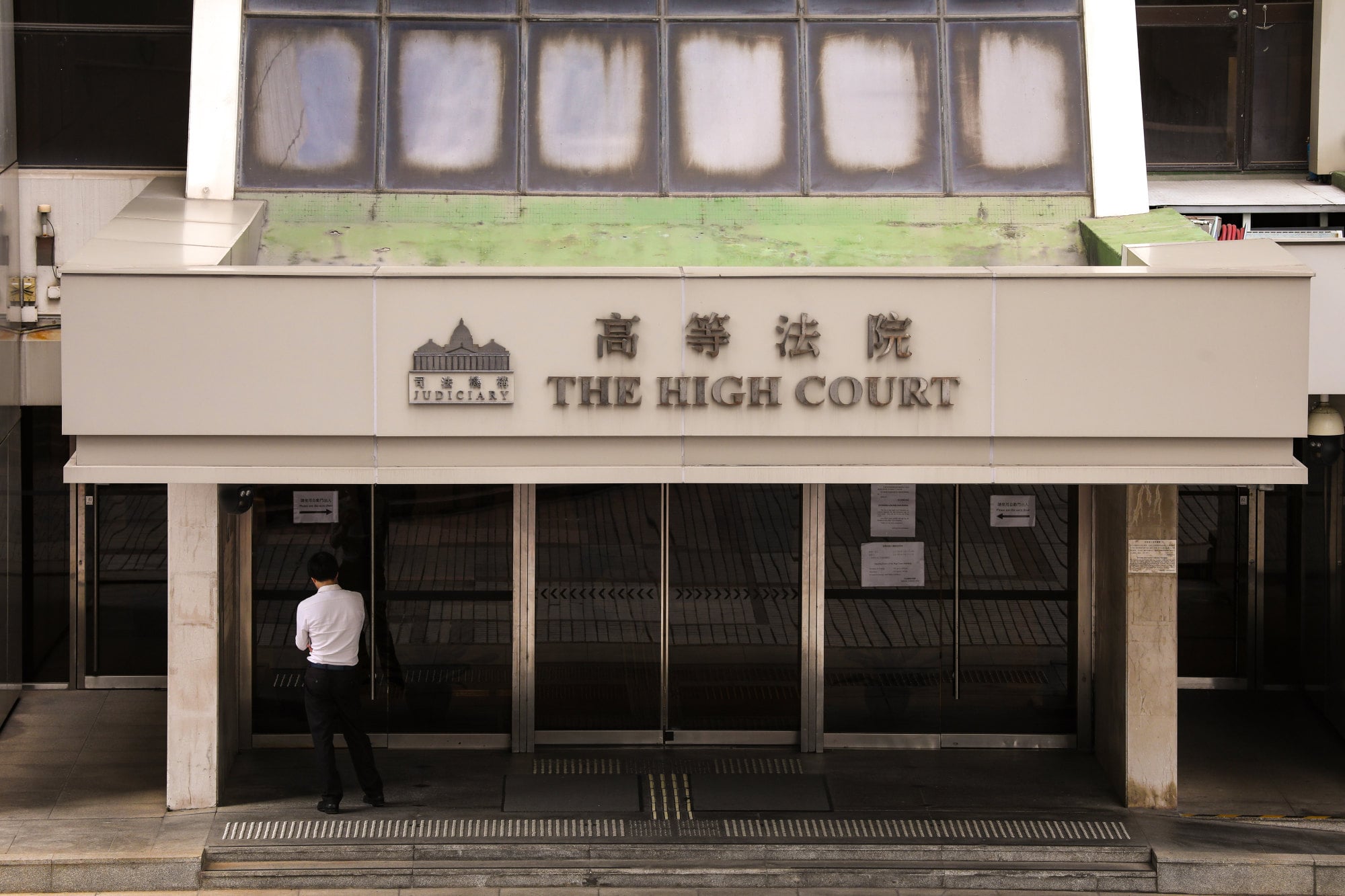
A panel of judges said that journalism was a valid reason for access to the government records. The Transport Department introduced new information request rules in January as a result.
The new policy requires journalists to submit written applications before they can get access to the personal information of vehicle owners for professional reasons.
Instant access to the information is only allowed to people whose requests fall under seven categories, including insurance claims, legal proceedings involving vehicles and their sale and purchase.
The city’s transport commissioner, who is listed as the proposed respondent in the association’s application, is required to vet access requests from the media under the new rules and decide whether the “benefits to public interest outweighed the owner’s rights to privacy”.
The journalists’ group told the High Court on Friday that the process was “unduly protracted and slow”.
It highlighted that none of the eight applications from media outlets had been approved or ruled on by March 27 and five of them had been withdrawn.
The association said that “excessive and unreasonable” delays were “unjustified and disproportionate” interference with free speech, the press and freedom of publication enshrined in Hong Kong’s Basic Law, as well as in the city’s bill of rights.
Media will need Hong Kong transport chief to approve access to vehicle registry
Media will need Hong Kong transport chief to approve access to vehicle registry
“On the facts of this case, unreasonable delay is made out,” the association maintained. “The rights of press freedom and the freedom to obtain, receive and impart information are at stake.
“This delay … has significant adverse consequences on fundamental rights by frustrating timely news reporting: ‘news dies on the vine’.”
The association added the commissioner’s refusal to supply car registration information could prevent “detailed, credible reporting on matters of public interest”.
It said the requirement to disclose the applicant’s personal information to the vehicle owner, with no consideration of the confidentiality inherent in investigative journalism, was also unreasonable and violated the right to press freedom.
The application also argued that the new arrangements were “formulated in narrow terms which prima facie excludes access to the registry for lawful journalistic purposes”.
Data clarity called for after welcome Choy ruling by top Hong Kong court
Data clarity called for after welcome Choy ruling by top Hong Kong court
“[The] Transport Department has required journalist applicants to divulge detailed particulars of their investigation, demonstrating a misunderstanding of the role of the press inconsistent with established human rights principles,” the association told the court.
“It is important to stress that the Hong Kong Journalists Association is not opposed to a lawful ‘strengthening’ of the application process and regulatory framework for access to the register.
“However, the commissioner … cannot impose unreasonable, irrational and/or unjustified obstacles on the press in carrying out its role as a public watchdog.
“By doing so, the current policy is unlawful, being unreasonable, irrational, unjustifiable and unconstitutional.”
The Post has contacted the department for comment.
Choy, a former employee of public broadcaster RTHK, was fined HK$6,000 (US$766) in April 2021 after she was convicted of making false statements to the Transport Department in connection with her use of its vehicle registration database.
She had chosen “other traffic and transport-related matters” as the purpose of her searches as journalism was not an option listed on the online application form.
A magistrate found her guilty and rejected journalistic inquiry as a justification for the searches.
But the city’s top court last June ruled serious investigative journalism should be among the justifications for searches of the database.


















 Bengali (Bangladesh) ·
  English (United States) ·