
 1 year ago
278
1 year ago
278 Hong Kong taxi trade to encourage cabbies to be more polite with 3-month courtesy drive
Hong Kong’s taxi industry will launch a three-month courtesy drive this month to bolster its reputation, with ambassadors heading to cab stations including those at the airport and border checkpoints to remind drivers to be polite.
The Hong Kong Taxi Council said a kick-off ceremony would take place next Wednesday before the initiative started on June 11, complementing a Hong Kong Tourism Board campaign seeking to encourage residents to go the extra mile and be visitor-friendly.
The board’s push, which rolls out on Monday, also aims to address complaints of poor quality service, with a video showing local celebrities, such as actor and singer Louis Koo Tin-lok, showing polite behaviour during a taxi ride and at locations such as a cha chaan teng and a shop.
“Officials will make announcements at the government headquarters on Monday and the chief executive is expected to initiate the campaign in some form,” a source familiar with the matter said.
The kick-off ceremony for the cab industry’s own push will take place at a taxi station near the Legislative Council at Tamar on Wednesday.
“We hope the Tourism Board’s campaign message: ‘let’s go the extra mile’ will guide and remind taxi drivers of the importance of being polite,” council chairman Ryan Wong Cheuk-pong said.
The council is already recruiting ambassadors for the initiative.
Four to six ambassadors will visit taxi stations across the city every Tuesday and Thursday between June 11 and August 29 to distribute pamphlets and souvenirs to cabbies to remind them to be polite and to communicate positively with passengers.
“Drivers often work alone in their vehicles without colleagues or supervisors to provide guidance. They may spend most of their time focused on driving without having any conversations with anyone,” Wong said.
“Their attention to courtesy and communication with passengers may gradually diminish over time.”
Wong noted many complaints and unnecessary disputes that arise between cabbies and passengers were due to poor communication and were avoidable.
“The driver may be reluctant to stop at your destination because it is a no-stopping zone. If they communicate more and suggest alternative drop-off points, it will prevent misunderstandings and conflicts,” he said.
Official statistics showed the number of complaints and feedback reports for taxi services reached 11,096 last year, up by 52.8 per cent from 2022.
The top complaints from passengers were cabbies refusing to take people or overcharging customers.
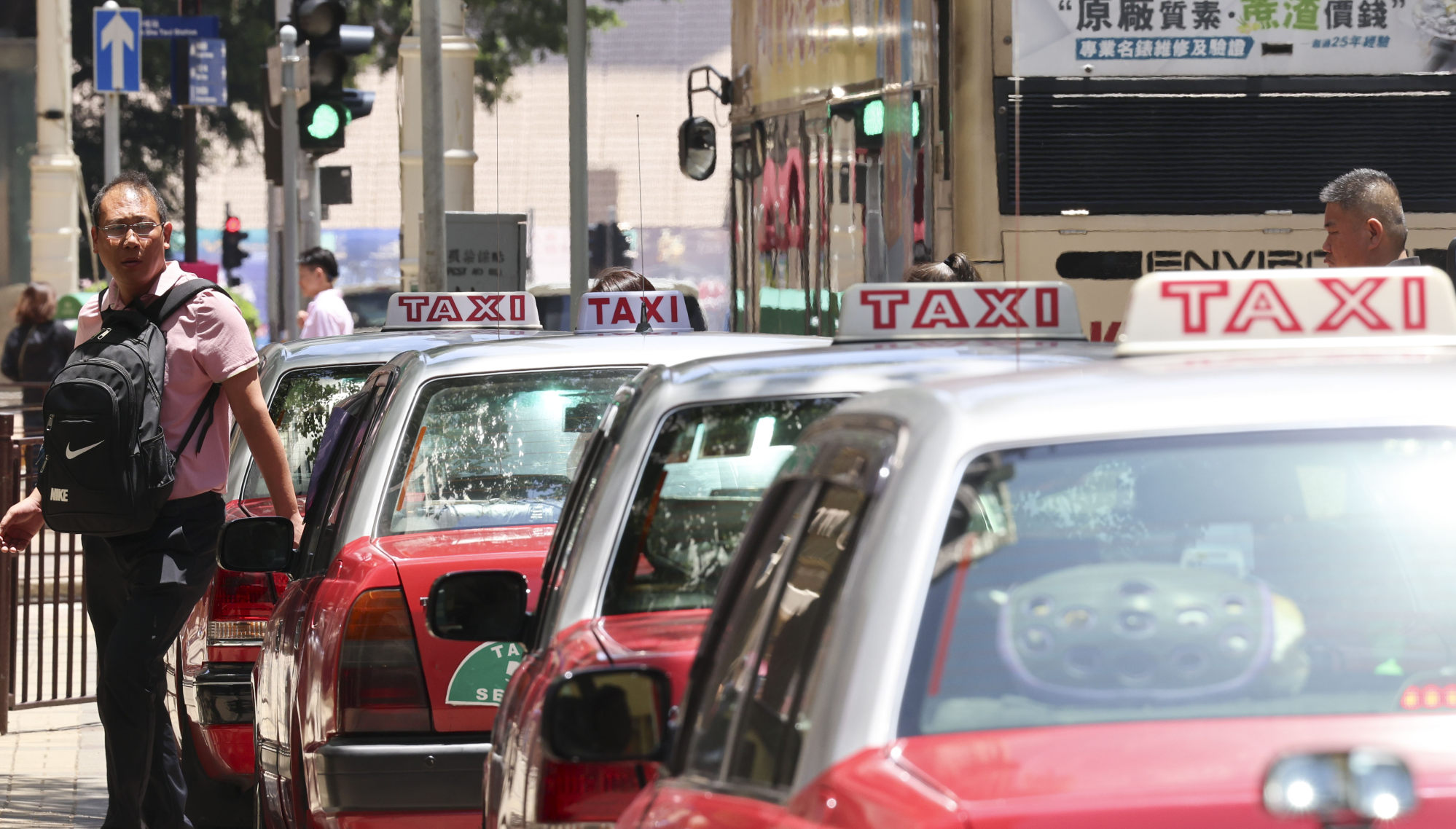
The council chairman admitted it would be hard to evaluate the outcome of such an initiative and the push was more about educating drivers.
“We do not expect a short-term measure like this will bring a drastic change, but I think even small improvements can significantly enhance the image of the taxi industry, which may be an even more important matter,” Wong said.
Taxi drivers recently came under fire after some posed as Uber passengers in an “undercover operation” to snare motorists offering illegal ride-hailing services.
Industry leaders have also accused police of failing to clamp down on Uber drivers offering services without possessing hire-car permits.
A survey conducted by the council last year showed that 55 per cent of polled passengers were satisfied with the taxi trade.
This year’s poll is expected to be released later this month.






















 Bengali (Bangladesh) ·
  English (United States) ·