
 1 year ago
223
1 year ago
223 Hong Kong will lose competitive edge if it stalls on San Tin Technopole: tech sector
Hong Kong will lose technology companies to other cities and some of its competitiveness along with them if a plan to build an innovation hub near the border with mainland China is stalled, sector professionals have warned amid opposition from green groups.
Lawmakers and tech executives on Friday called for greater urgency to develop the hub as the Town Planning Board, a statutory body that assesses land use applications, held its first public hearing on the San Tin Technopole.
The project will occupy more than 600 hectares (1,482 acres) of land, half of which has been earmarked for innovation and technology (I&T) purposes to attract leading corporations.
Lawmaker Jesse Shang Hailong, who is also an adviser of SenseTime, a Hong Kong-based Chinese artificial intelligence company, said the city lacked world-class innovation and technology companies, while research and development products “could not or had not set foot” in Hong Kong.
“Without I&T development, Hong Kong does not have a future. If we don’t catch up, residents will feel like we are coming from rural areas instead of Hong Kong, [especially] when we compare ourselves to new developments in Shenzhen,” he said.
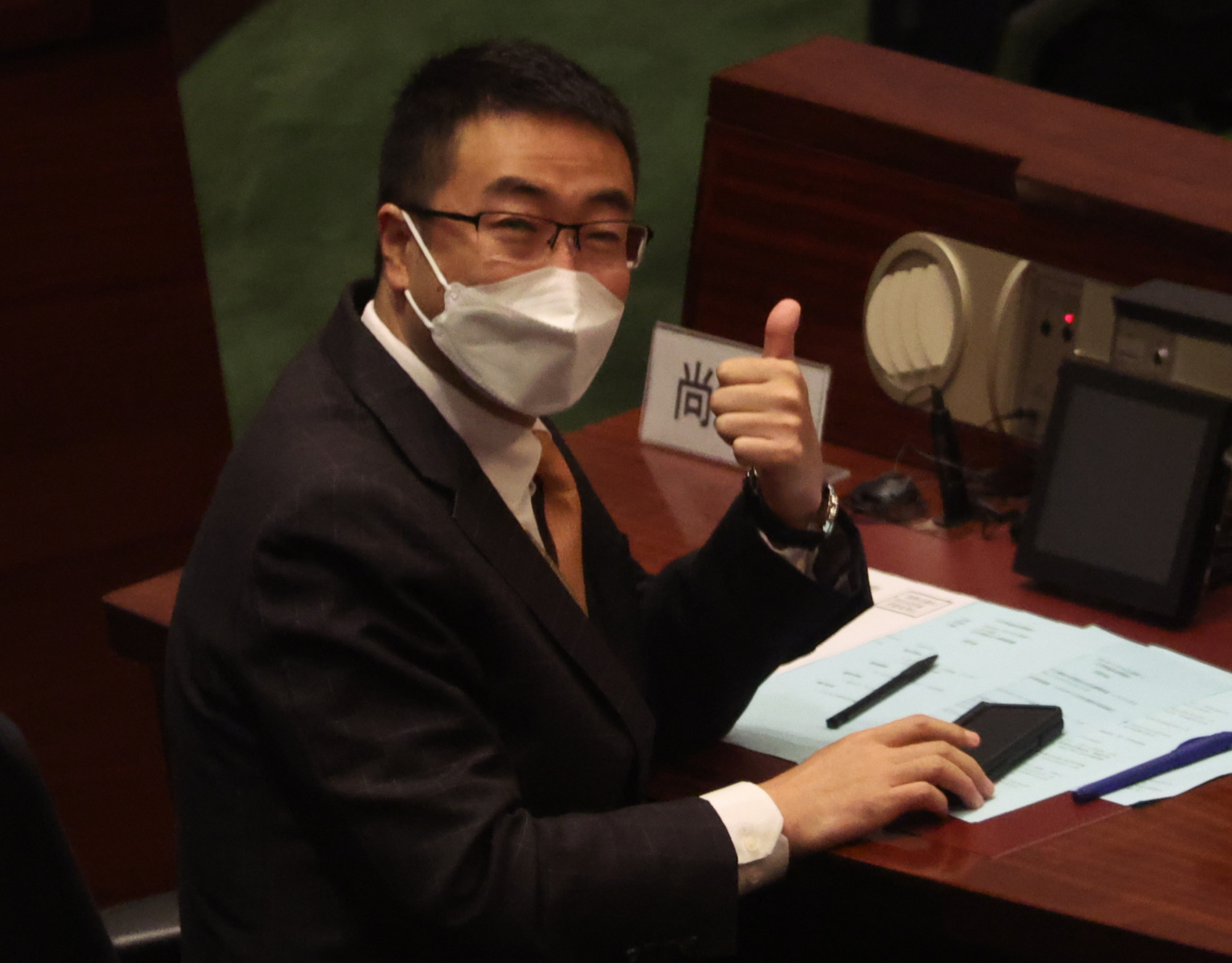
Shang said he respected concerns raised by green groups, which criticised the project for its incursion into current wetland zones and fish ponds. But he also stressed that land was needed to develop the I&T sector, and such development could in turn generate income for future environmental conservation work.
Viola Lam Yuen-lee, founder of Find Solution Ai, a local tech company founded in 2016 focusing on artificial intelligence technologies, said it was “difficult” to develop I&T businesses in Hong Kong and that many start-ups were drawn to cities in mainland and Southeast Asia.
“With such a high wage levels and rent, Hong Kong does not have enough space for I&T or start-ups,” she said.
“Cyberport and the Science Park cannot provide sufficient land,” Lam noted of the city’s existing facilities that provided office space and support to I&T companies.
Lam added that supporting start-ups was key to developing small-to-medium-sized enterprises and sustaining the city’s economic progress.
Albert Wong Hak-keung, CEO of the Hong Kong Science and Technology Parks Corporation, pointed to the 93 per cent occupancy rate of Science Park in Pak Shek Kok and 80 per cent rate across all industrial estates as signs that Hong Kong’s I&T development was in a “golden age”.
“We are in cooperation with universities and start-ups. Many big corporations will set foot in the city,” he said.
But he agreed with Lam that land supply was tight and there was an “urgent need to develop a [larger] land base”.
“I understand the technopole will need time to develop but we should start doing it as soon as possible,” he said.
Simon Chan Sai-ming, chairman of the Cyberport Management Company, said San Tin was “the best and most mature” location for the sector’s development given its massive area and proximity to the mainland.
He added that the technopole could burnish Hong Kong’s international reputation and strengthen the city’s role in connecting the mainland with the global tech community.
A representative from the Innovation, Technology and Industry Bureau said the technopole would be the city’s largest I&T development project despite being comparatively small to mainland science parks.
But she said San Tin would not need much space as it would focus on providing an area for prototype testing instead of large-scale manufacturing.
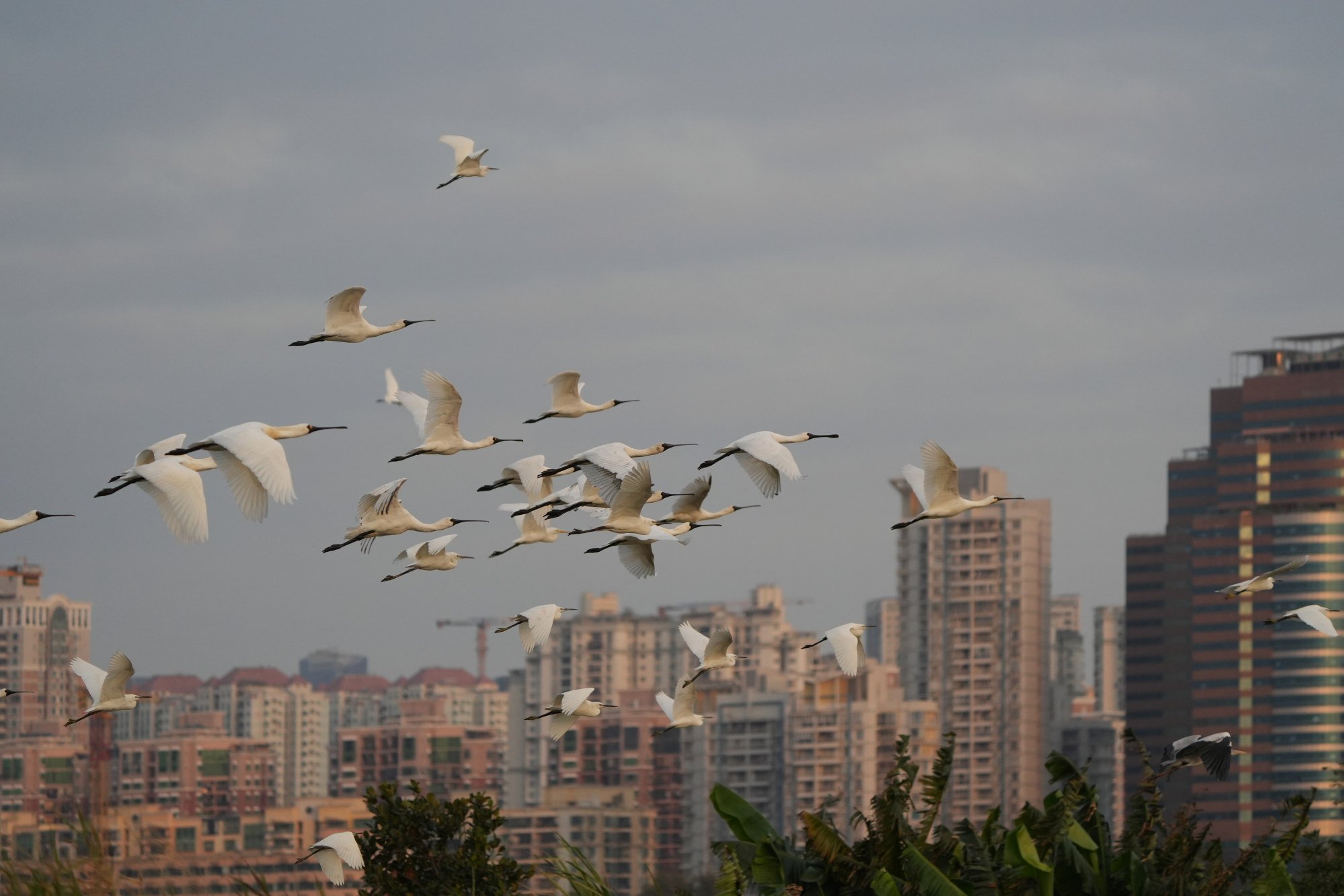
Regarding green groups’ concerns about the destruction of wetlands caused by the project’s filling in 90 hectares of fish ponds and rezoning wetland areas, district planning officer Ng Kim-wai said the government had raised suggestions internally on how to develop the Sam Po Shue Wetland Park, created partly to compensate for the wetland loss caused by the technopole.
Some residents from Shek Wu Wai village said the project would damage rural features, noting a suggested highway would force the relocation of one of their shrines.
Planning officer Ng said the government was looking into the detailed design to avoid causing disturbance to the shrine.
Residents from Chau Tau, another village that falls within the project boundary, said they worried their homes would be surrounded by tall buildings.
Ng replied that the administration would consider setting restrictions, such as stipulating stepped building height of new blocks erected around the village. He added that the government would continue to communicate with local residents.
The public hearing continues from Tuesday to Thursday to gather feedback from green groups and professional bodies. Its members will then discuss how to proceed with development.
If town planning officials decide to take up the government’s rezoning suggestions, the project will be greenlit after approval by the chief executive and his advisers.
The technopole is part of the government’s development of the Northern Metropolis, which aims to turn 30,000 hectares of land in the New Territories into a housing and economic powerhouse.




















 Bengali (Bangladesh) ·
  English (United States) ·