
 2 years ago
577
2 years ago
577 Explainer | Mala magic: China cook behind super spicy noodle sauce dubbed ‘Princess of Malatang’ over Sichuan-like dish
A dish in China called Tianshui malatang, which originates from Gansu province in the northwest of the country, is captivating food lovers across the nation, eager to sample its distinctive flavour.
The name malatang literally means a “spicy numbing hot soup”.
“We get an average of 400 to 500 people a day – mostly travellers. It’s not even the holiday season yet and we already have so many visitors. We expect even more during the Labour Day holiday in May,” a malatang shop owner told Chinanews.com.
So, what has ignited the fascination with this particular noodle dish? How does it differ from the widely acclaimed Sichuan version? The Post finds out.
Why viral fame?
The surge in its popularity stems from a video posted on February 13 by Liang Huan, a student at Hubei University of Economics in central China, who has been dubbed the “Princess of Malatang” .

Only seven seconds long and containing just one line of dialogue, “I suggest making Gansu malatang a national dish”, the video quickly attracted attention because of the vibrant appearance of the dish, which looks different to traditional versions.
In particular, its use of wide noodles sparked widespread interest, with one person commenting: “The wide noodles are a must-try, they truly represent the essence of the dish.”
As the video gained 1.4 million likes and 260,000 comments, people from other provinces began to showcase their local malatang variations, igniting a friendly rivalry.
“Sichuan malatang holds its ground,” one person said, while another added: “Northeast malatang is ready for battle.”
There were also comments from Chinese contributors overseas.
“The malatang I ate in Paris cost 1,000 yuan (US$140) for just three bowls,” wrote one person alongside a photo of the dish.
What sets it apart?
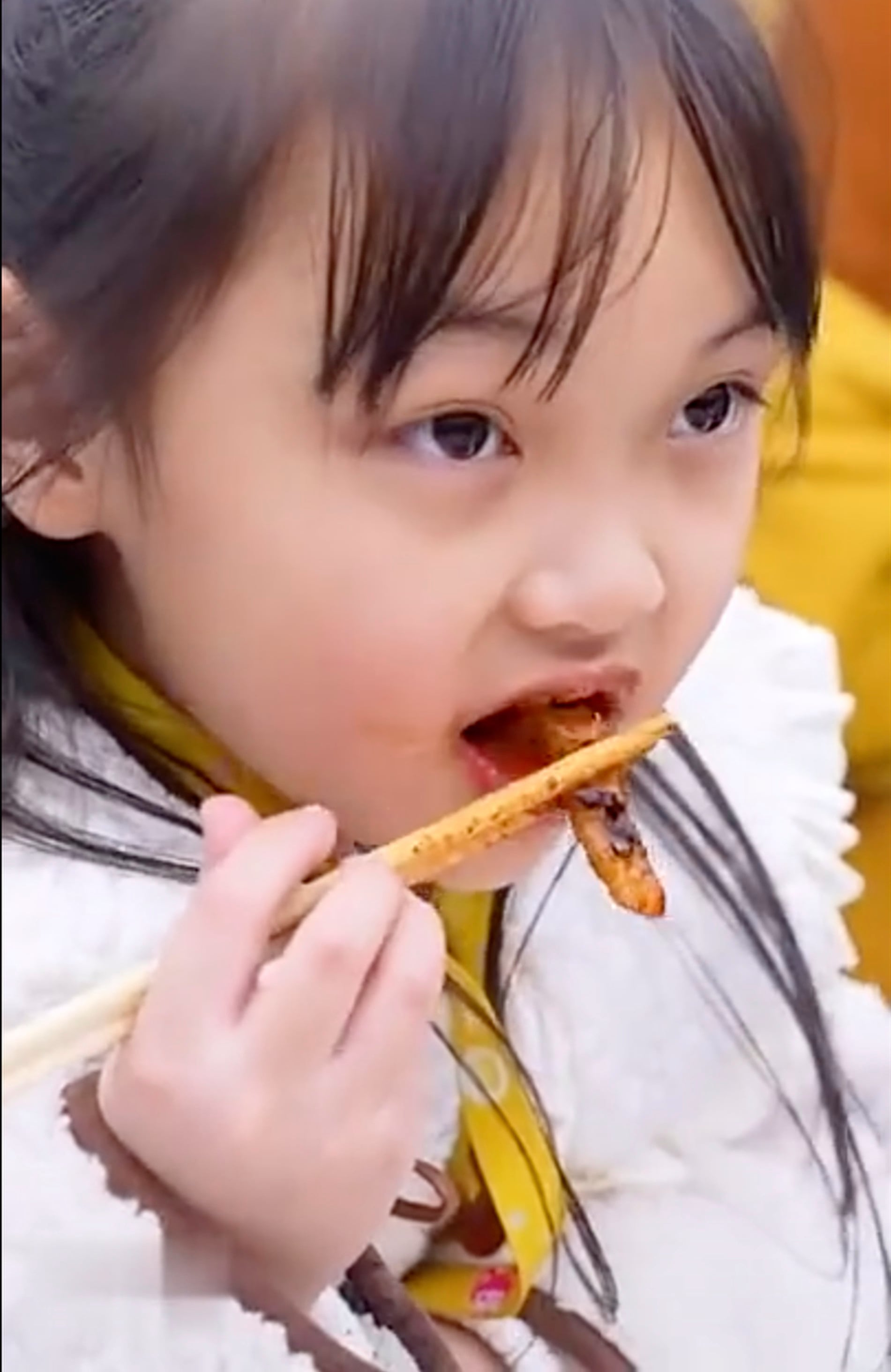
Malatang is originally a street food from southwestern China that is made with vegetables and meat cooked in a spicy broth with chilli and Sichuan peppers.
Tianshui malatang differs by using handmade, locally crafted wide noodles, a unique broth for its base and secret seasonings.
It is these that create its distinctive taste, which is aromatic as well as somewhat spicy, and can be enjoyed by people who are not keen on very hot food.
The special broth further enhances the freshness of the ingredients.
“Tianshui malatang’s broth is not as thick as the soup base of a hotpot, we use chicken soup, so the broth is actually clear. The fiery red colour comes from the chilli mixed in later,” explained Chen, another malatang shop owner in Tianshui.
International appeal
Malatang has not only captivated foodies in China but has also gained international acclaim, appealing to a wide range of enthusiasts who are not necessarily lovers of Chinese cuisine.
Blondie in China, an Australian influencer with about 409,000 YouTube followers, has expressed her fondness for the dish.
“Malatang is one of the things I used to eat all the time in China. It’s quick, it’s cheap, it’s delicious and it is very spicy! If you’ve never tried malatang, my advice would be, find your nearest provider and get down there right now!”
She enjoys the dish so much, she enticed her entire family to China to try it.
In 2022, Yang Guo Fu, a leading malatang brand boasting more than 6,000 shops worldwide, became the first to file for an initial public offering of shares on the stock market in its category, further extending the popularity of the dish internationally.



















 Bengali (Bangladesh) ·
  English (United States) ·