
A parasitic fly that eats human tissues and lays eggs in open wounds has been detected just 90 miles from the U.S. border.
New World screwworms also deposit their eggs, which hatch into maggots and larvae, around the noses, eyes, ears and mouth of humans and livestock, according to the Centers for Disease Control and Prevention.
Sid Miller, the Texas agriculture commissioner, said in a statement that the discovery of the flies in the Mexican state of Nuevo León is a “direct and imminent threat” to his own state.
“The New World screwworm is not some distant problem,” he said last week. “It is a direct and imminent threat to Texas, and we are treating it that way.
“This is a high-stakes situation for our ranchers, our livestock industry, and our food supply, and we are moving aggressively to stay ahead of it.”

Miller went on to say that the U.S. Department of Agriculture has begun taking steps to respond, but that efforts to contain the spread of the parasitic flies have not been successful “to date.”
“Check your animals. Know the signs,” he told producers. “If you see anything unusual, report it immediately.
“There is zero margin for delay when it comes to screwworm.”
Miller added, “Early detection is the difference between containment and a full-blown crisis that could devastate herds and livelihoods.”
The New World screwworm is usually found in South America and parts of the Caribbean.
However, since 2023, parasitic flies have moved farther north, spreading through every country in Central America and into Mexico.
Infestations, which include the presence of maggots on or inside the body, do not regularly occur in the United States, the CDC says.
The agency does note, though, that infestations have occasionally been recorded among travelers returning from countries that are home to New World screwworms.
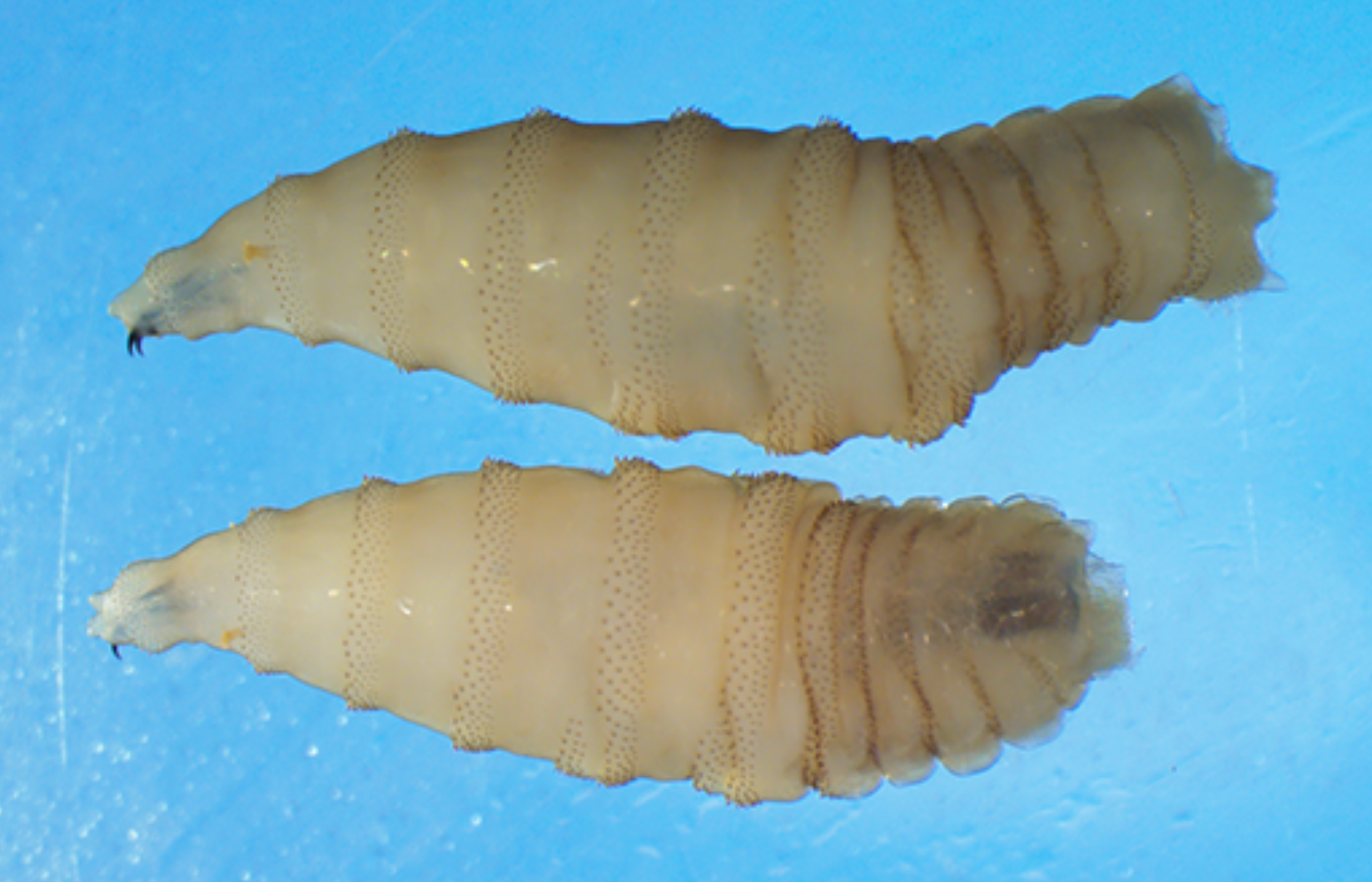
Infestations can lead to serious infections, which can be fatal.
Female flies are attracted to the smell of open wounds and body openings, even ones as small as a tick bite. They can lay 200-300 eggs around a body opening at a time.
Over her 10-30 day lifespan, a female fly can lay up to 3,000 eggs.
Once hatched, the larvae feed on flesh for around 7 days before dropping into the ground. Then, they burrow into the soil and later emerge as adult flies.
The CDC urges anyone who sees or feels maggots around a wound to contact their healthcare provider. Each maggot will need to be removed by a medic, sometimes even surgically.
To combat the spread of New World screwworms, the USDA is investing in technology to bolster the production of sterile flies, according to the agency’s website.
Surveillance teams across the U.S.-Mexico border also work to trap the flies and contain the spread of New World screwworms.
The parasites were eradicated from the United States decades ago and there is no evidence to suggest that they have returned to the country yet, the USDA has said.





















 Bengali (Bangladesh) ·
  English (United States) ·