
 1 year ago
287
1 year ago
287 Philippines’ Marcos Jnr removes pro-Duterte police officers … to pre-empt a coup attempt?
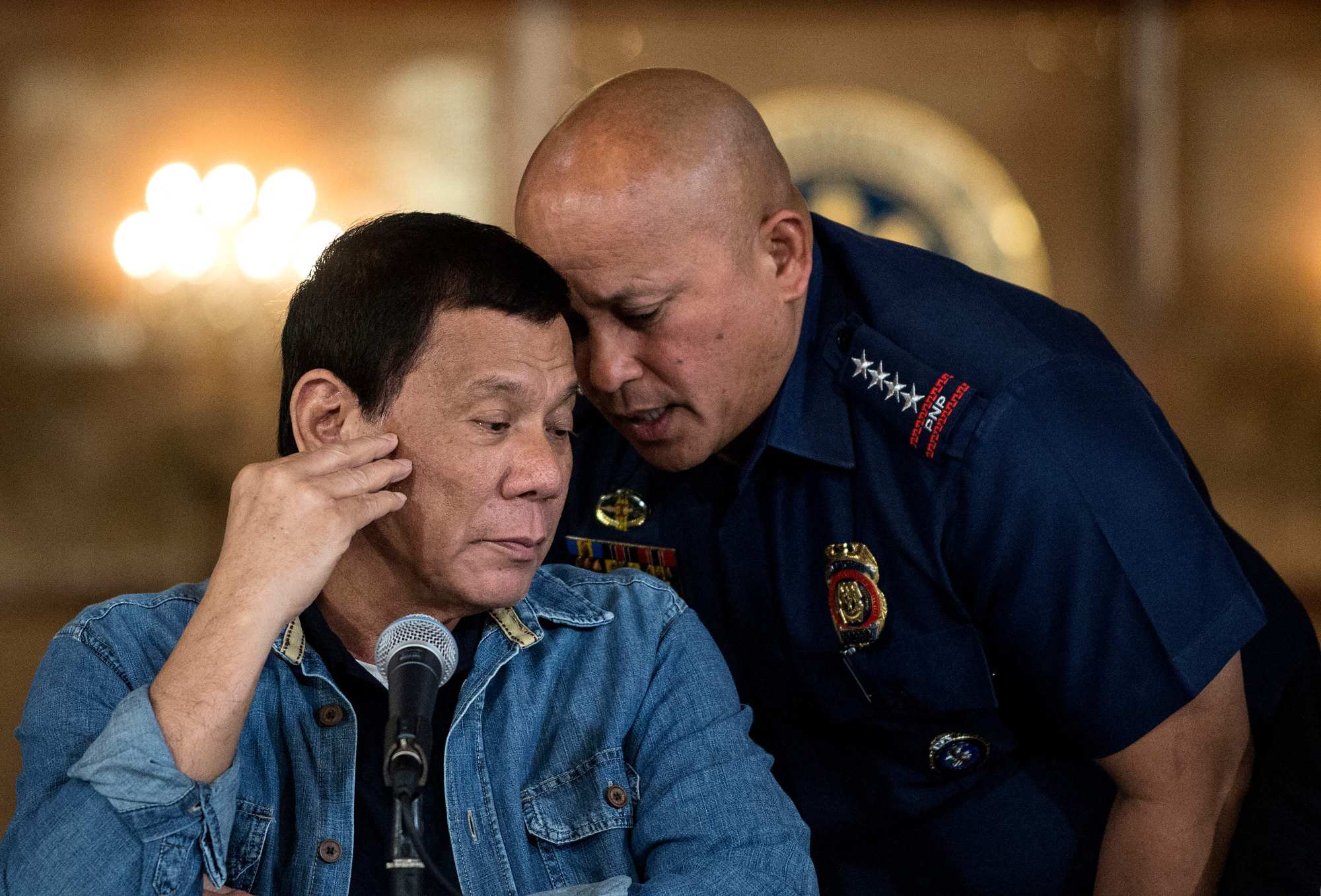
On Thursday, one of Duterte’s most trusted police officers, Police Colonel Richard Bad-ang, was removed from post as Davao City police chief. The next day, 34 other police officers, including six station commanders, were removed from their posts, according to Davao City mayor Sebastian “Baste” Duterte, the youngest son of the former president.
The officers have been suspended from duty and are under investigation for the deaths of seven suspected drug dealers killed in buy-bust operations after Bad-ang’s appointment on March 22. The 36-year-old mayor had declared a drug war that same day and warned, “If you don’t stop, if you don’t leave, I will kill you.”
“As far as the Dutertes are concerned, all destabilisation and ouster options are on the table such as people power, withdrawal of support, coup d’etat, rebellion, secession, impeachment and even assassination,” former senator Antonio Trillanes IV told This Week in Asia on Monday.
News reports said two battalions of police Special Action Forces, under the command of the Philippine National Police (PNP), also arrived in Davao City at about the same time the officers were relieved of their duties.
Duterte cultivated close personal relationships with the police force of Davao during his 22 years he served as its mayor. When he became president from 2016-22, he appointed trusted Davao officers to senior positions in the PNP, including Ronald “Bato” Dela Rosa as its head and others as police station chiefs in Metro Manila and elsewhere, to carry out his operations against illegal drug users and dealers.
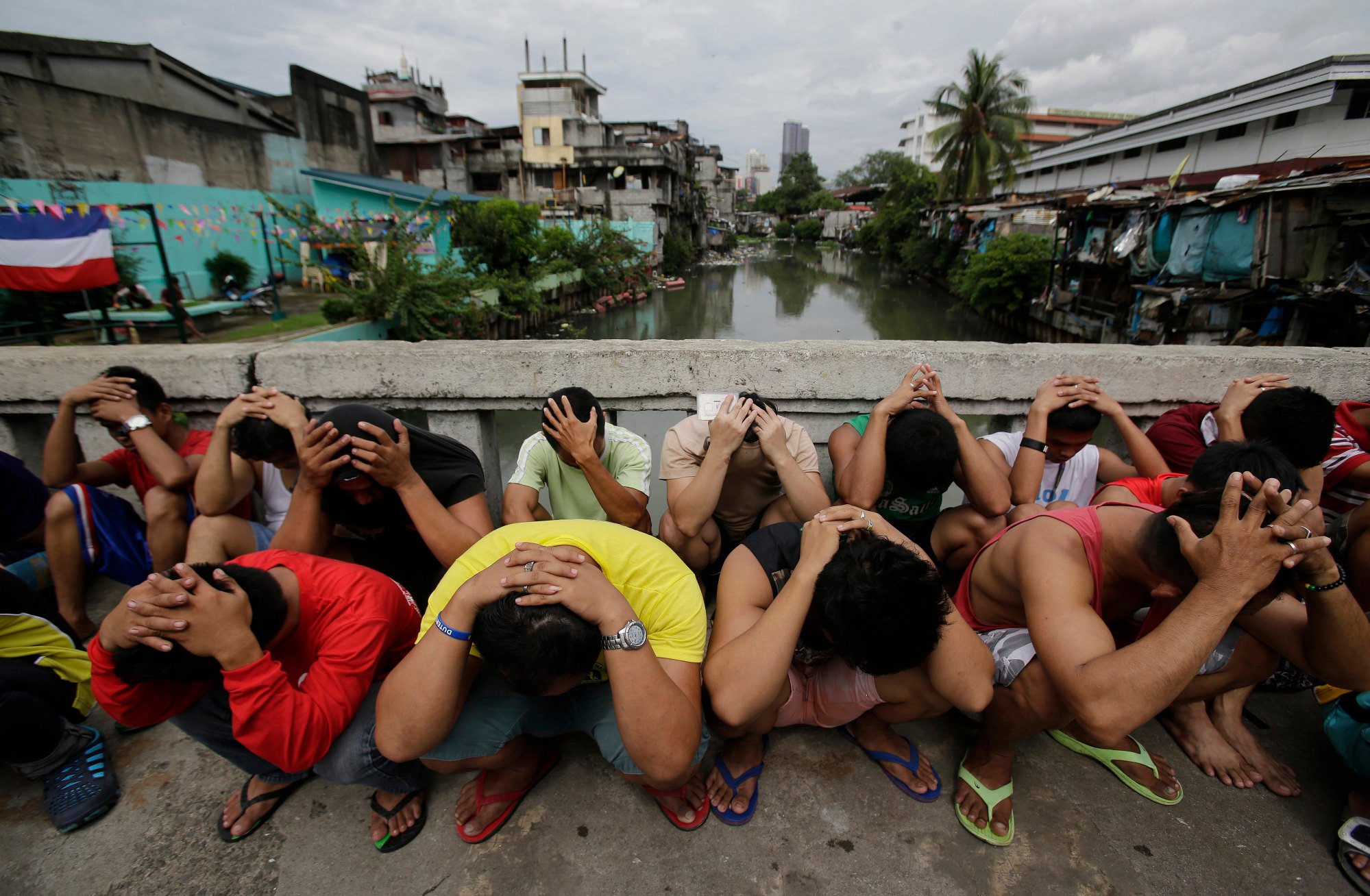
A complaint has been filed against Duterte at the International Criminal Court (ICC) in The Hague for his alleged “crimes against humanity” during the drug war. The Duterte administration previously said the war killed at least 6,000 people, but human rights groups claimed the toll could be as high as 30,000.
Davao City mayor Duterte “condemned” the police officers’ removal as “an abuse of power from higher authorities” in a statement on Sunday. He pointed out that the law gave him “operational supervision and control” over the city police.
He said the police under Bad-ang had dramatically reduced the city’s crime rate and “there is substantial evidence supporting the assertion that the buy-bust operations were conducted within the bounds of the law. Any insinuation of misconduct on their part is unfounded and unjust”.
Trillanes said the latest developments did not surprise him. “I believe [their mass removal] is more of a pre-emptive action for the imminent ICC arrest warrant [for Duterte].”
During a press conference on May 7, the former senator said he expected the ICC prosecutor to issue such a warrant, possibly in June or July. He warned that “there are active and retired PNP officials identified as involved in destabilisation efforts”.
Responding to the allegation, Harry Roque, a former spokesman for Duterte, told the media that Trillanes was having “hallucinations and hangover from his coup d’etat days”.
The PNP also rebutted Trillanes, saying it had not come across any such destabilisation plot and urged him to not politicise the police force.
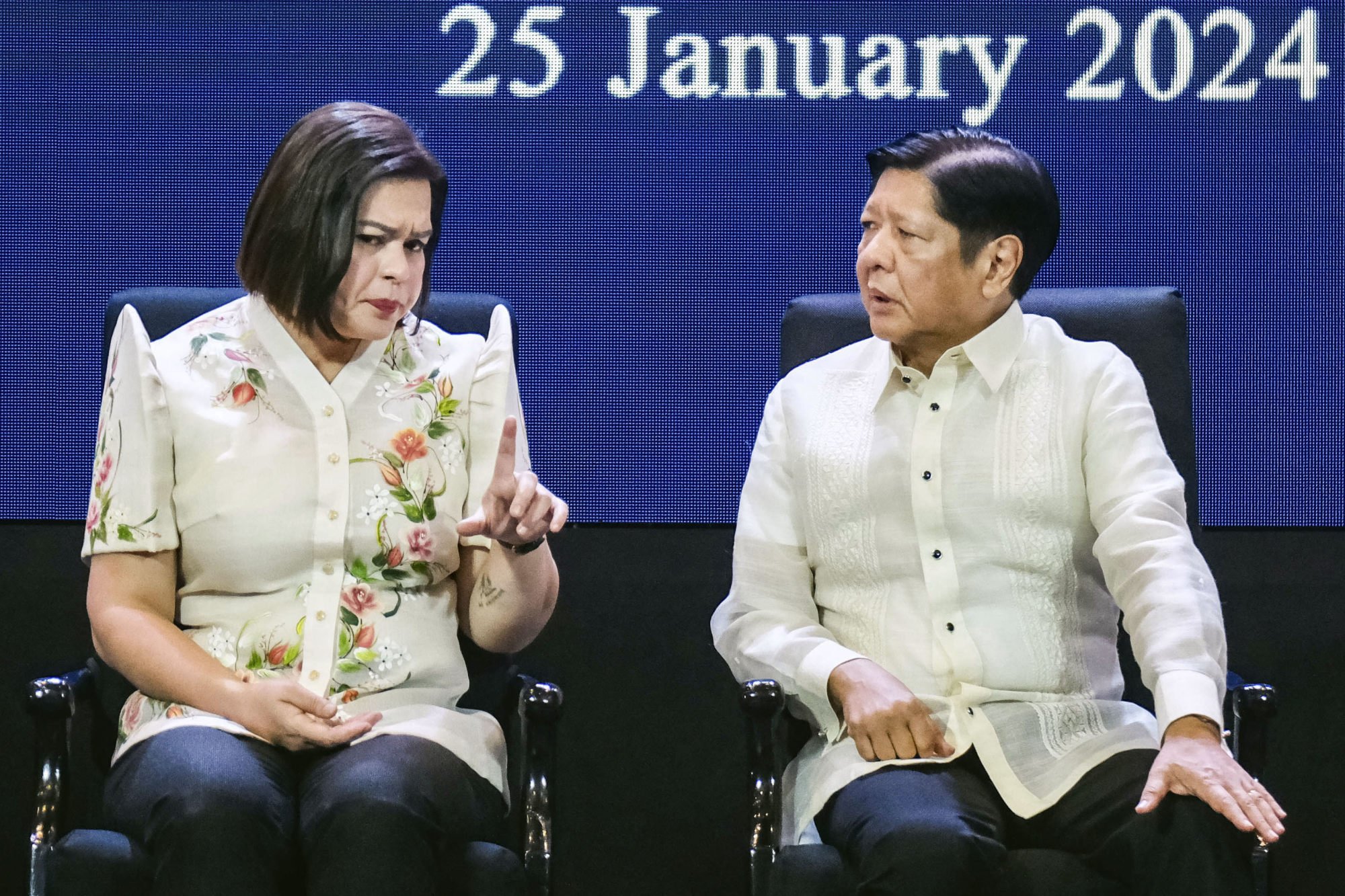
Trillanes reiterated to This Week in Asia that he believed the Duterte family had put in motion a plot to remove Marcos Jnr from power and replace him with Vice-President Sara Duterte-Carpio, the former president’s daughter.
Trillanes and political risk analyst Ronald Llamas said one of the options the Duterte family was exploring was a mass withdrawal of support from Marcos Jnr by pro-Duterte policemen to trigger a political crisis.
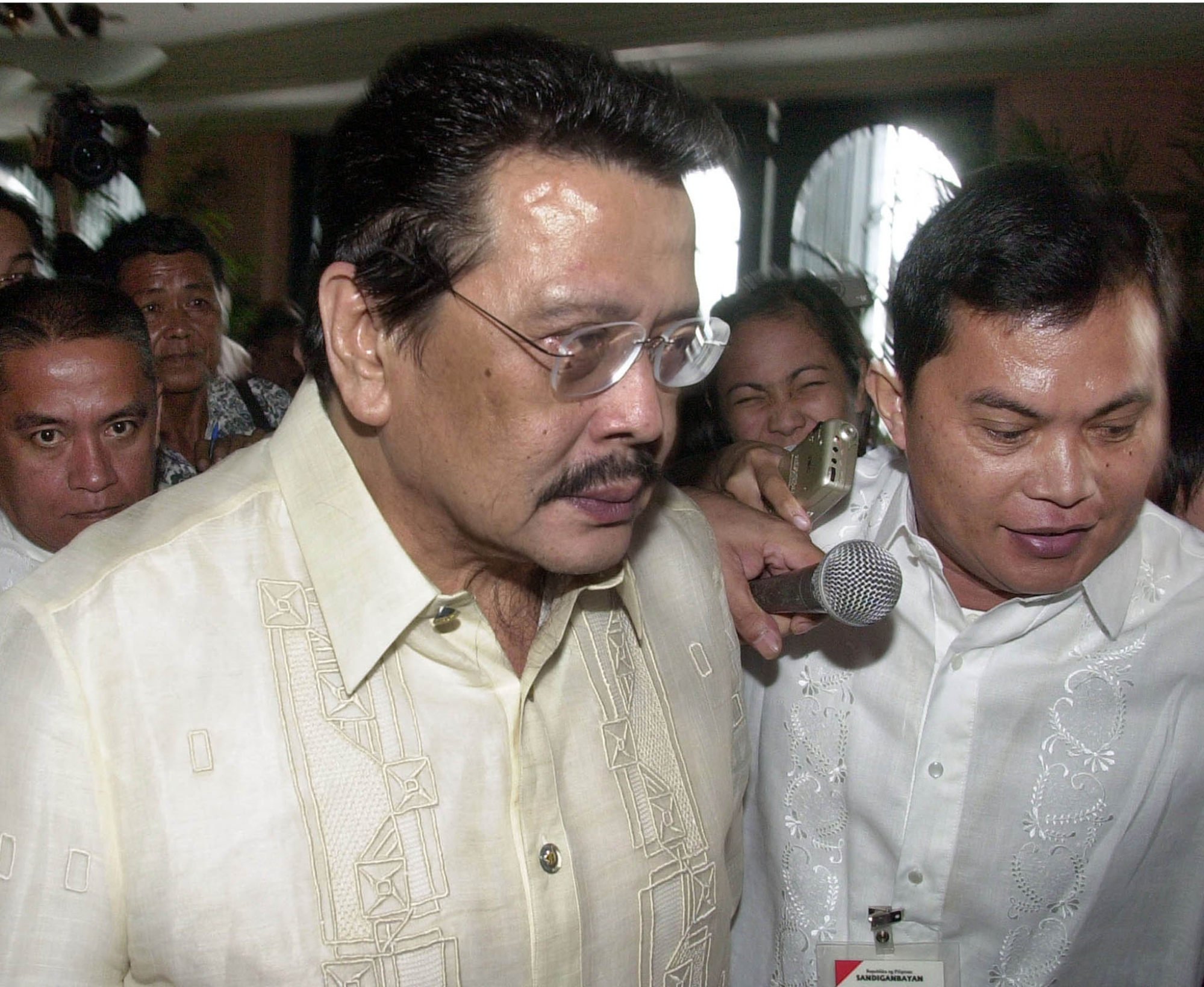
Llamas told This Week in Asia on Monday that a withdrawal of support for the government, followed by a massive demonstration of “people power” in the streets, was what triggered the political crisis against then-president Joseph Estrada in January 2001, which led to his bloodless ousting.
But Llamas said a peculiar section of the Philippine constitution meant that Marcos Jnr would have to be ousted after June 30, not before, for any plotter to rule as president for a long time.
“This is called the June 30 GMA framework,” he said, referring to the initials of former president Gloria Macapagal Arroyo, who served as president for nine years.
The Philippine constitution, under Section 4 of Article VII, prohibits anyone who has served more than four years of a previous president’s unexpired term from taking on on a new six-year presidential term.
Marcos Jnr has served as president since June 30, 2022. If he is removed from power after June 30 this year, the constitutional provision would not apply, allowing his successor to serve the remainder of Marcos’ term plus an additional six-year term.
But while destabilisation may be on Duterte’s agenda, Llamas said “to abide by the June 30 scenario would be hard because destabilisation depends on the convergence of a ripe objective condition and the readiness of subjective forces”.
Two attempts at overthrowing a president have succeeded in Philippine history – the 1986 ousting of Marcos Jnr’s father, the dictator Ferdinand Marcos Snr, by a peaceful people power uprising and Estrada’s “resignation” in 2001.
Marcos Jnr appears to be taking the possibility of a plot to oust him very seriously.
On May 16, he told soldiers in a military camp in Cagayan de Oro City in southern Mindanao: “We will also not allow agents within the country to destabilise our government and create division within our nation.”
Three days later, he told fresh graduates from the Philippine Military Academy to guard against “blatant attempts of destabilisation, and last-ditch [efforts] to cling to the rapidly disappearing past”, in an apparent reference to Duterte.
On Thursday last week, he went to a remote military camp in the island province of Tawi-Tawi in Mindanao and told the 2nd Marine Brigade that “when I go around our camps, I always explain that our mission is to fight those who are trying to overthrow the government, for whatever reason”.
18:04
Why the Philippines’ Duterte-Marcos alliance is disintegrating
Why the Philippines’ Duterte-Marcos alliance is disintegrating
A senior military officer said those in the military were not inclined to oust Marcos Jnr, preferring to focus on fighting for the country’s sovereignty in the South China Sea.
He told This Week in Asia, on condition of anonymity, that many would prefer that Duterte be sent to The Hague to face charges before the ICC.
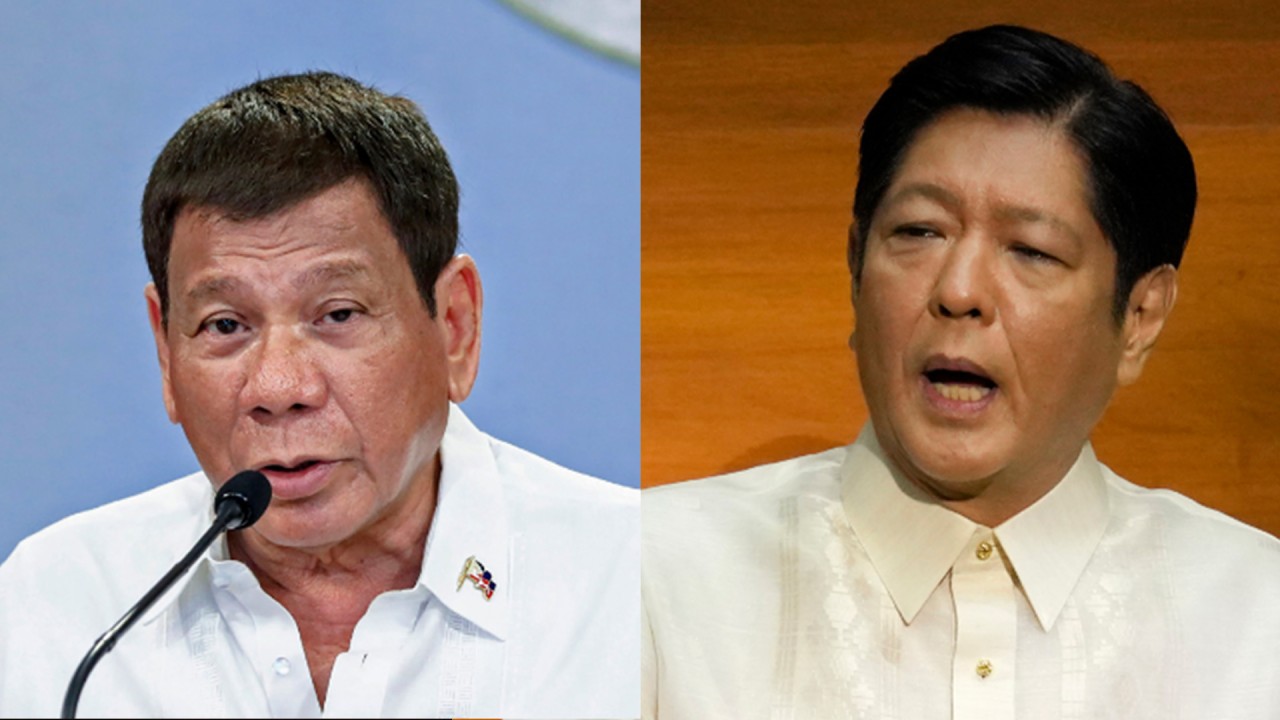
Marcos Jnr and Duterte were once political allies, but their relationship has turned sour in recent months, amid an open feud between their two families.
In late 2023, Duterte accused Marcos Jnr of being a drug addict. In response, Marcos Jnr suggested Duterte was struggling with opioid addiction. The rift is expected to worsen as both families seek to consolidate power ahead of the 2025 midterm elections .

















 Bengali (Bangladesh) ·
  English (United States) ·