
 1 year ago
315
1 year ago
315 Explainer | Replace Biden on the 2024 presidential ticket? Why that could be tough
US President Joe Biden’s halting debate performance on Thursday night has led some in his own party to begin questioning whether he should be replaced on the ballot before November.
There is no evidence Biden is willing to end his campaign. And it would be nearly impossible for Democrats to replace him unless he chooses to step aside. Here’s why:
Delegates bound to Biden
Every state has already held its presidential primary. Democratic rules mandate that the delegates Biden won remain bound to support him unless he tells them he’s leaving the race.
Biden indicated that he had no plans to do that, telling supporters in Atlanta shortly after he left the debate stage: “Let’s keep going”. Biden campaign spokesperson Lauren Hitt was even clearer, saying Friday: “Of course he’s not dropping out”.
The conventions and their rules are controlled by the political parties. The Democratic National Committee could convene before the convention and change how things will work, but that isn’t likely as long as Biden wants to continue seeking reelection.
The current rules read: “Delegates elected to the national convention pledged to a presidential candidate shall in all good conscience reflect the sentiments of those who elected them”.
Might Kamala Harris replace Biden?
The vice-president is Biden’s running mate, but that doesn’t mean she can swap in for him at the top of the ticket by default. Biden also can’t decree that she replace him should he suddenly decide to leave the race.
The Democratic National Convention opens on August 19 in Chicago, but the party has announced that it will hold a virtual roll call to formally nominate Biden before in-person proceedings begin. The exact date for the roll call has not yet been set.
If Biden opts to abandon his reelection campaign, Harris would likely join other top Democratic candidates looking to replace him. The candidates could end up lobbying individual state delegations at the convention for their support.
That hasn’t happened for Democrats since 1960, when John F. Kennedy and Lyndon B. Johnson jockeyed for votes during that year’s Democratic convention in Los Angeles.
What about other potential Democratic candidates?
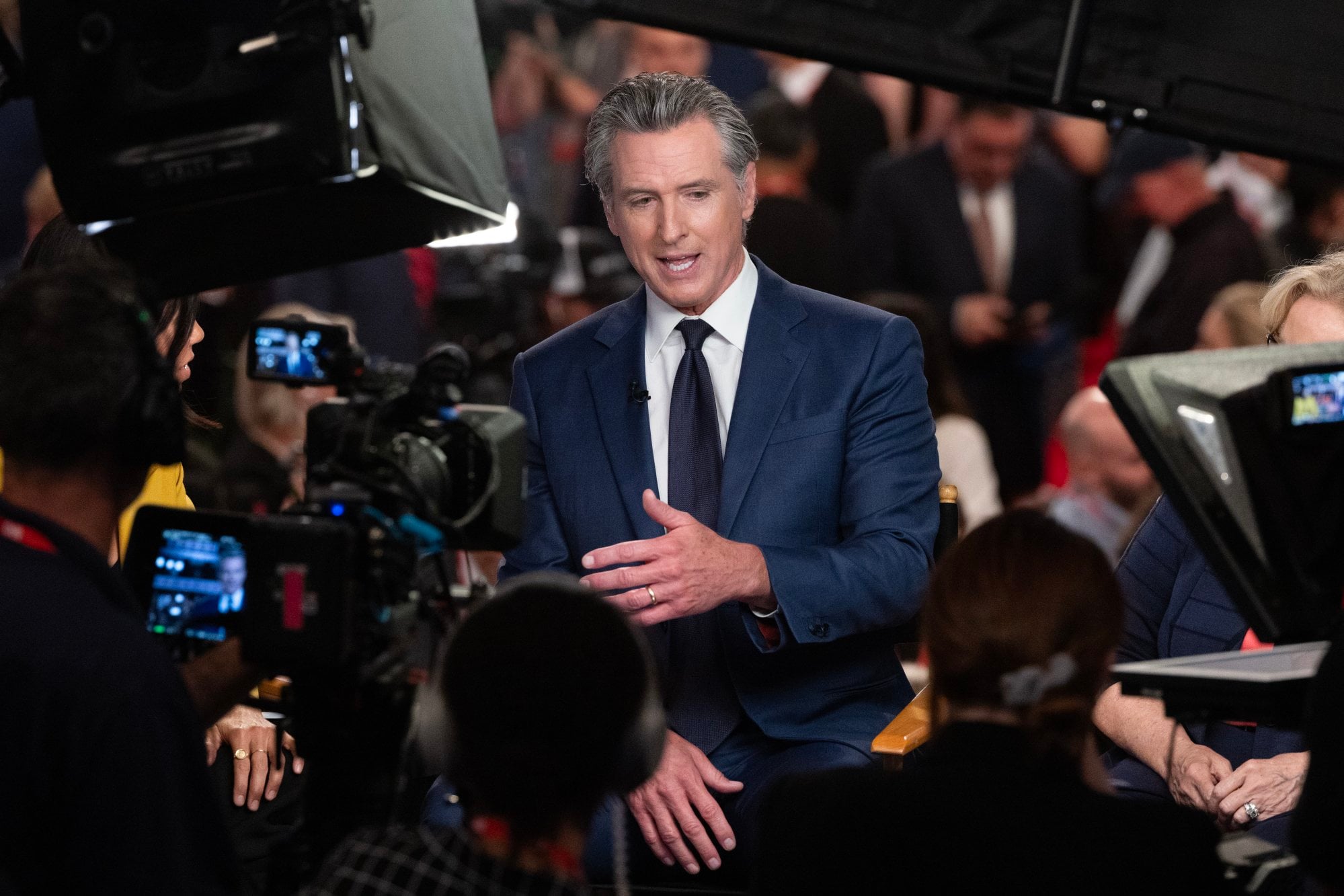
In addition to the vice-president, others that had endorsed Biden in 2024 while harboring their own presidential aspirations for future cycles include California Governor Gavin Newsom, Michigan Governor Gretchen Whitmer, Pennsylvania Governor Josh Shapiro, Illinois Governor JB Pritzker and California congressman Ro Khanna.
Still others who Biden bested during the party’s 2020 presidential primary could also try again, including senators Bernie Sanders of Vermont, Elizabeth Warren of Massachusetts and Amy Klobuchar of Minnesota, as well as Transportation Secretary Pete Buttigieg.
If Biden were to abruptly leave the race, conservative groups have suggested they will file lawsuits around the country, potentially questioning the legality of the Democratic candidate’s name on the ballot.
But Elaine Kamarck, a senior fellow in governance studies at the Brookings Institution in Washington, who wrote a book about the presidential nominating process and is also a member of the Democratic National Committee’s rulemaking arm, said that courts have consistently stayed out of political primaries as long as parties running them weren’t doing anything that would contradict other constitutional rights, such as voter suppression based on race.
“This is very clear constitutionally that this is in the party’s purview,” Kamarck said in an interview before the debate. “The business of nominating someone to represent a political party is the business of the political party.”
Is there a precedent?
Yes. Most recently, President Lyndon Johnson decided not to seek re-nomination for a second full term in 1968, as Vietnam War protests mounted. In an Oval Office speech, Johnson made the surprise announcement that “I shall not seek, and I will not accept, the nomination of my party for another term as your president”.
But that was at the end of March - extremely late even before the modern nomination calendar became as front-loaded as it is today. Unlike Johnson, Biden has already secured enough delegates for the nomination.
Additional reporting by Bloomberg




















 Bengali (Bangladesh) ·
  English (United States) ·