
Soldiers fighting in Ukraine are increasingly turning to the supernatural, seeking solace and solutions from figures like self-described witch Natalia Malinovskaya.
Amidst the ongoing conflict and economic uncertainty, a growing number of Russians are being drawn to the dark arts.
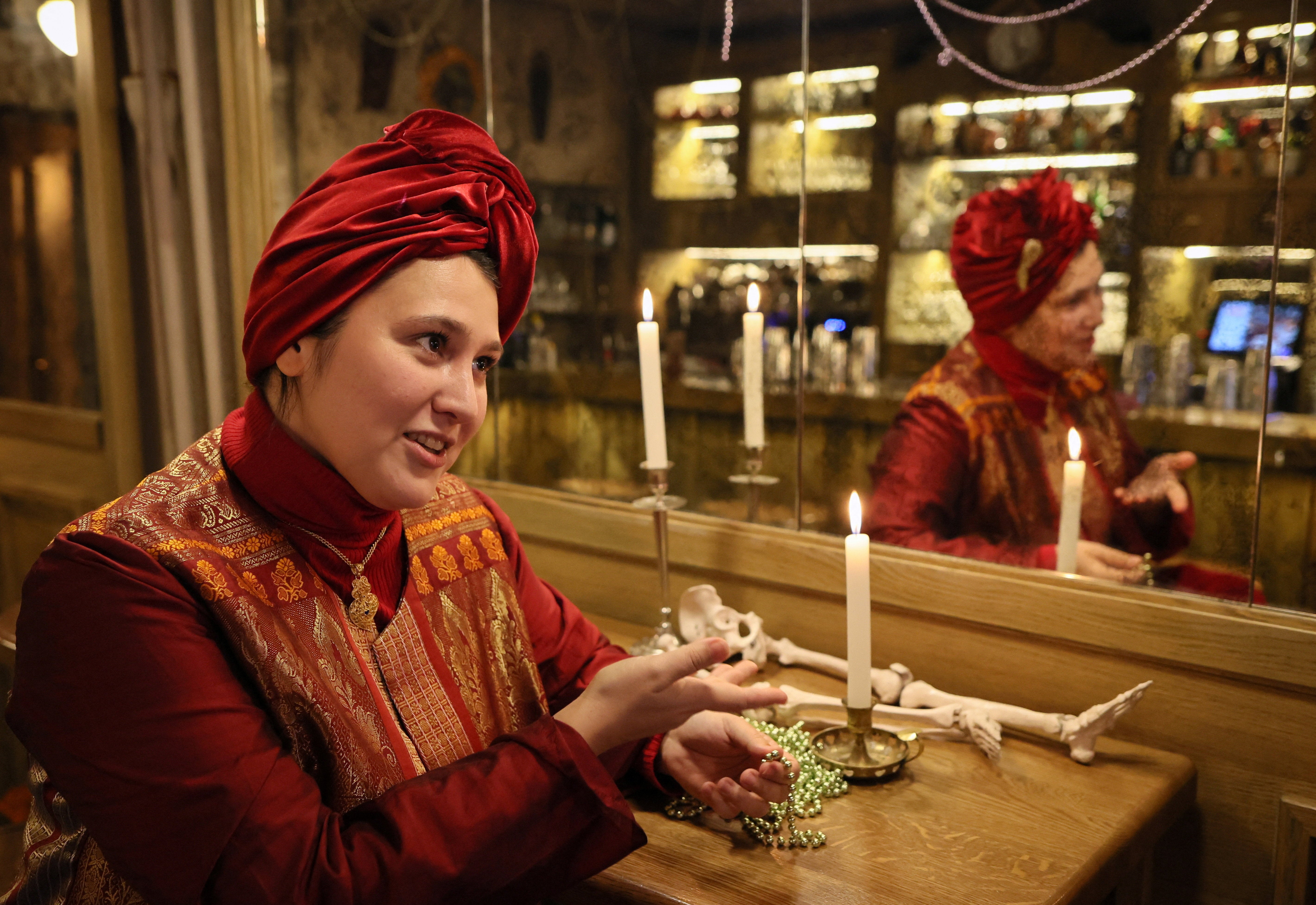
Operating from her darkened Moscow apartment, Malinovskaya, who claims to have inherited her powers from her grandmother and frequently appears on Russian television, offers a range of services from love spells to protection from evil. Demonstrating her method of detecting negative energy by wafting a lit match over a glass, she notes that most clients seek help for relationship problems, including soldiers worried about their partners' faithfulness.
"They contact me, and there are many of them," Malinovskaya stated, though she cautions that spells can only be cast in person when soldiers are on leave. "It's impossible to carry out a ritual at the front. Where would someone burn candles, and how would I even send them there?" This reliance on mysticism reflects Russia's centuries-old tradition where Orthodox Christianity, folk superstitions, and mystical beliefs have coexisted, even through periods of religious repression.
Interest surged in the final years of the Russian Empire - when faith healer Rasputin's influence over the tsar's family caused public outrage - and again during the chaotic years after the Soviet Union's collapse. After a period of decline it is on the rise again.
"Today's geopolitical and economic challenges in Russia and worldwide heighten anxiety, triggering a surge in mysticism," state pollster VTsIOM said in March as it published a poll showing that 85% of Russians had dabbled in magical practices.
"In such conditions, especially against the backdrop of military threats, belief (regardless of which gods are involved) turns into a tool of psychological defense," it said. Russian forces have been on the offensive in Ukraine for over four years, fuelling a deadly crisis that has damaged Russia's international standing, slowed the economy and driven up the cost of living.
Nearly half of Russians believe that some people may be able to predict the future or have magical powers, the survey showed, up from less than a third in 2019.
Demand for crystal balls and protective amulets more than doubled last year, while sales of aspen stakes - said to defend the owner from evil spirits - quadrupled, said Russian cash register operator ATOL, citing consumer spending data.
At Witch Store in Moscow, which sells crystals, tarot guides, and other magical paraphernalia, a couple of customers browsed the shelves looking for incense to cleanse the air or bring good luck.
"Black obsidian spheres are very popular and in high demand. Obsidian is considered a stone of safety," said the shop's co-owner, Yulia Gusanova, referring to volcanic glass.
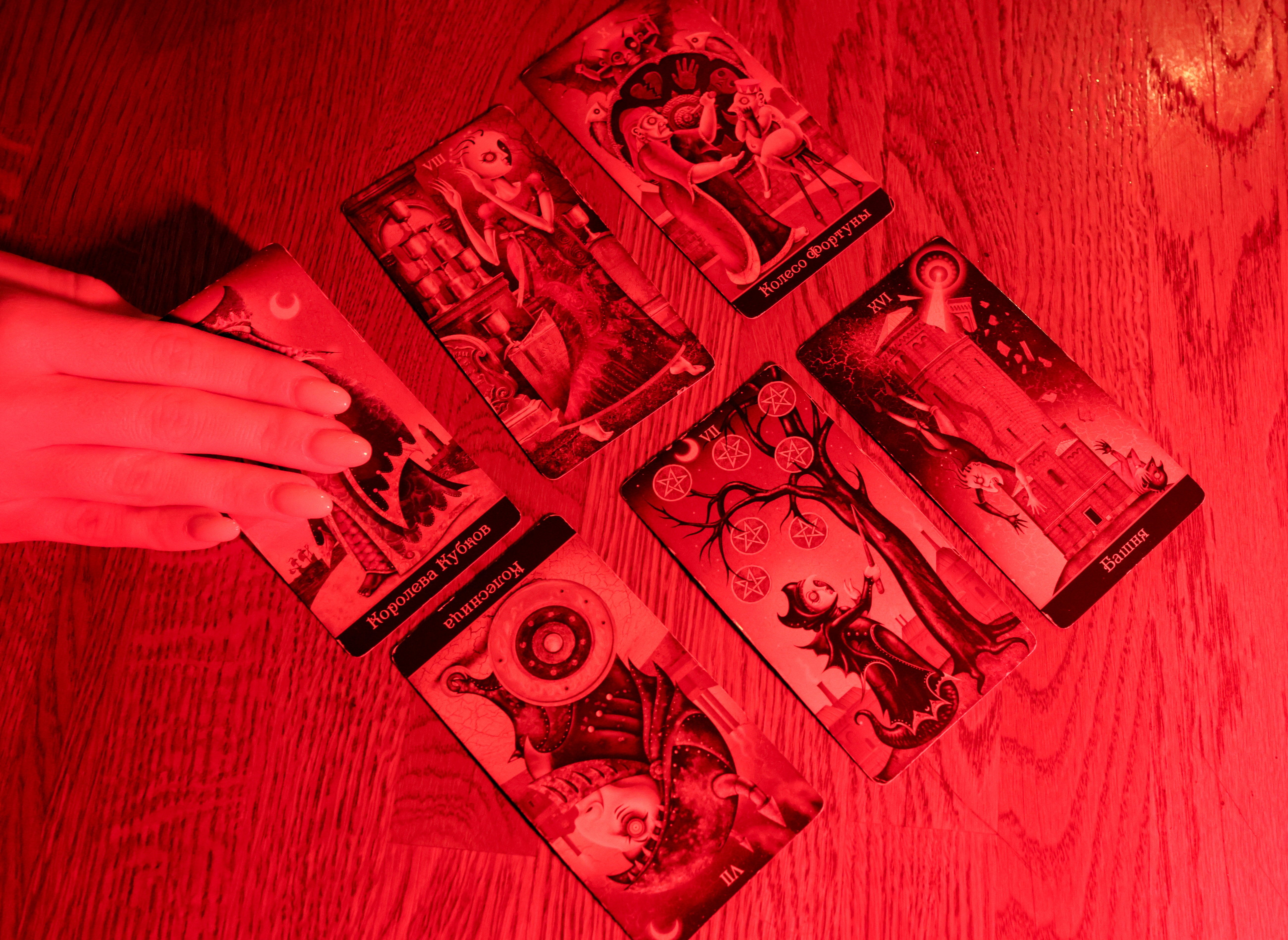
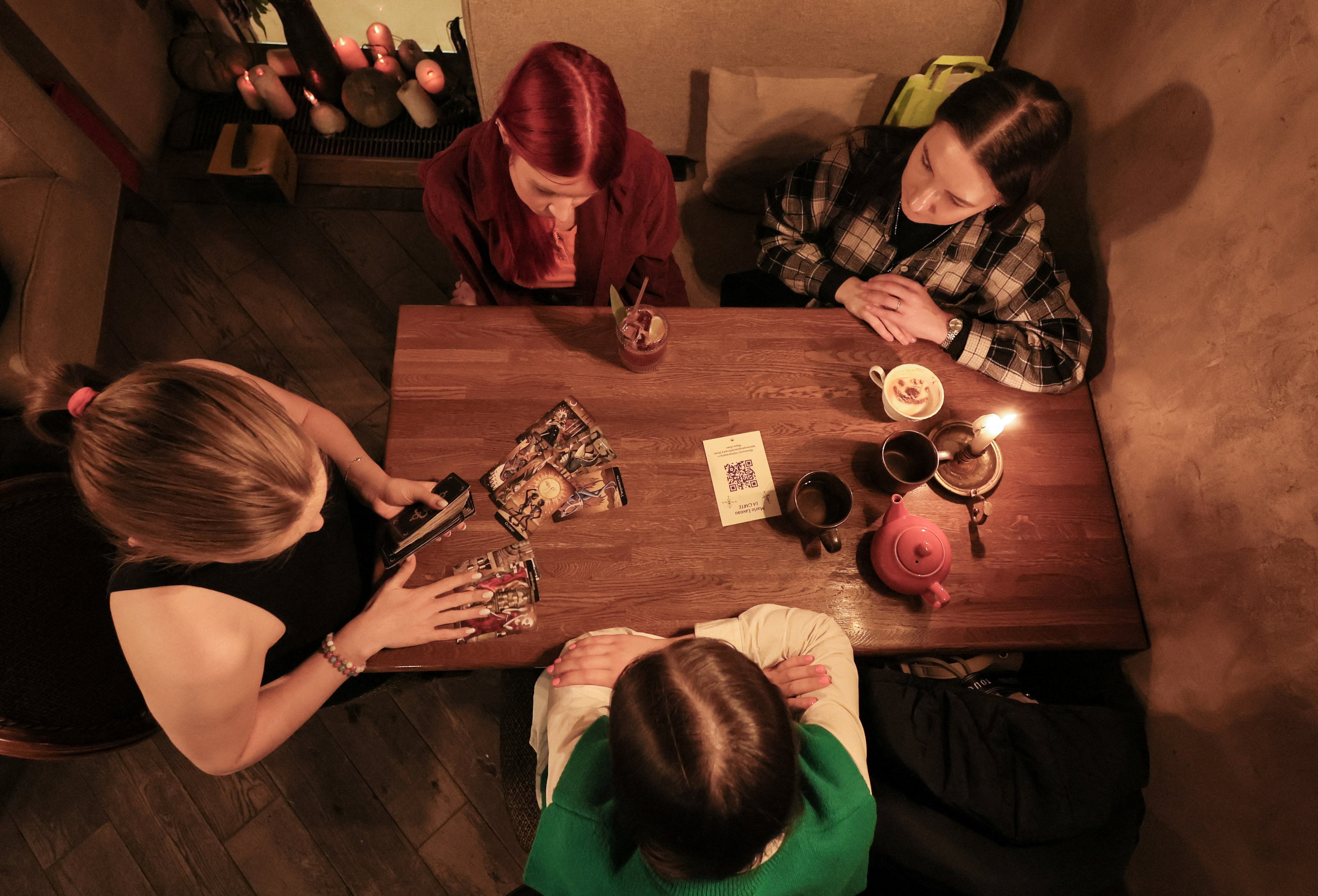
Voodoo-themed bar Marie Laveau, which offers tarot readings, has benefited from the zeitgeist, said owner Evgeniya Chassagnard. "It turned out that we matched perfectly with the moment," she said.
A ‘Devilish power’
The revival has its opponents. Last year, a group of lawmakers submitted a bill to ban adverts for services such as astrology and energy healing, warning that they can lead to the financial exploitation of vulnerable people.
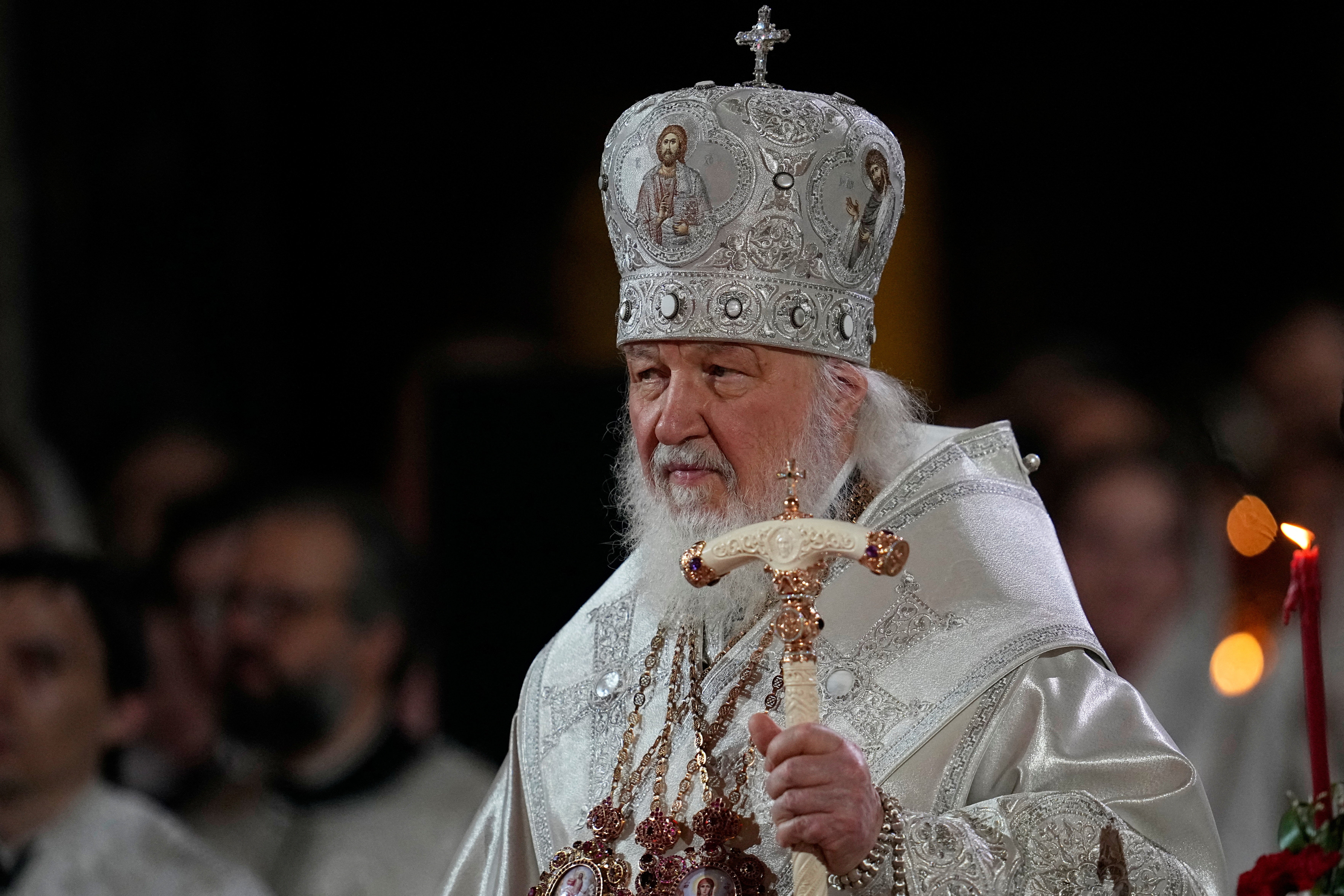
Patriarch Kirill, the head of Russia's Orthodox Church, backed the idea of a ban last year and in January decried the "mass manipulative influence" of fortune-tellers and psychics.
"There is a dark force present in fortune-telling. If miracles involve divine power and grace, then fortune-telling involves a devilish power," he told state news agency TASS in a separate interview, implying a link with "satanism" which was outlawed by the Supreme Court last year.
Asked if the church, which sometimes performs exorcisms, considered psychics as rivals, a spokesman for the church, Vakhtang Kupshidze, told Reuters that this was missing the point.
"We don't exactly see them as competitors, because competition implies ... a struggle for clients," he said.










 Bengali (Bangladesh) ·
  English (United States) ·