
President Donald Trump “seriously” discussed nominating Sen. Ted Cruz to the U.S. Supreme Court during the president’s first term, but the Texas Republican says he declined to seek the role.
“In the first Trump term, the president spoke to me seriously about all three vacancies, and three times I said no,” Cruz said on Wednesday at a Wall Street Journal event. “Because I don’t want to be out of the arena of the political battle. I think there’s too much need there.”
Cruz said elsewhere during the event that it is “humbling” to be considered for a role on the high court but he sees a need for someone like him in Congress instead.
“There is a real need for elected officials who are principled free market conservatives who know how to fight and know how to win, and so I’d like to be part of nominating and confirming hundreds of principled constitutionalist judges,” Cruz said. “I don’t want me to be one of them.”
The Independent has contacted the White House for comment.
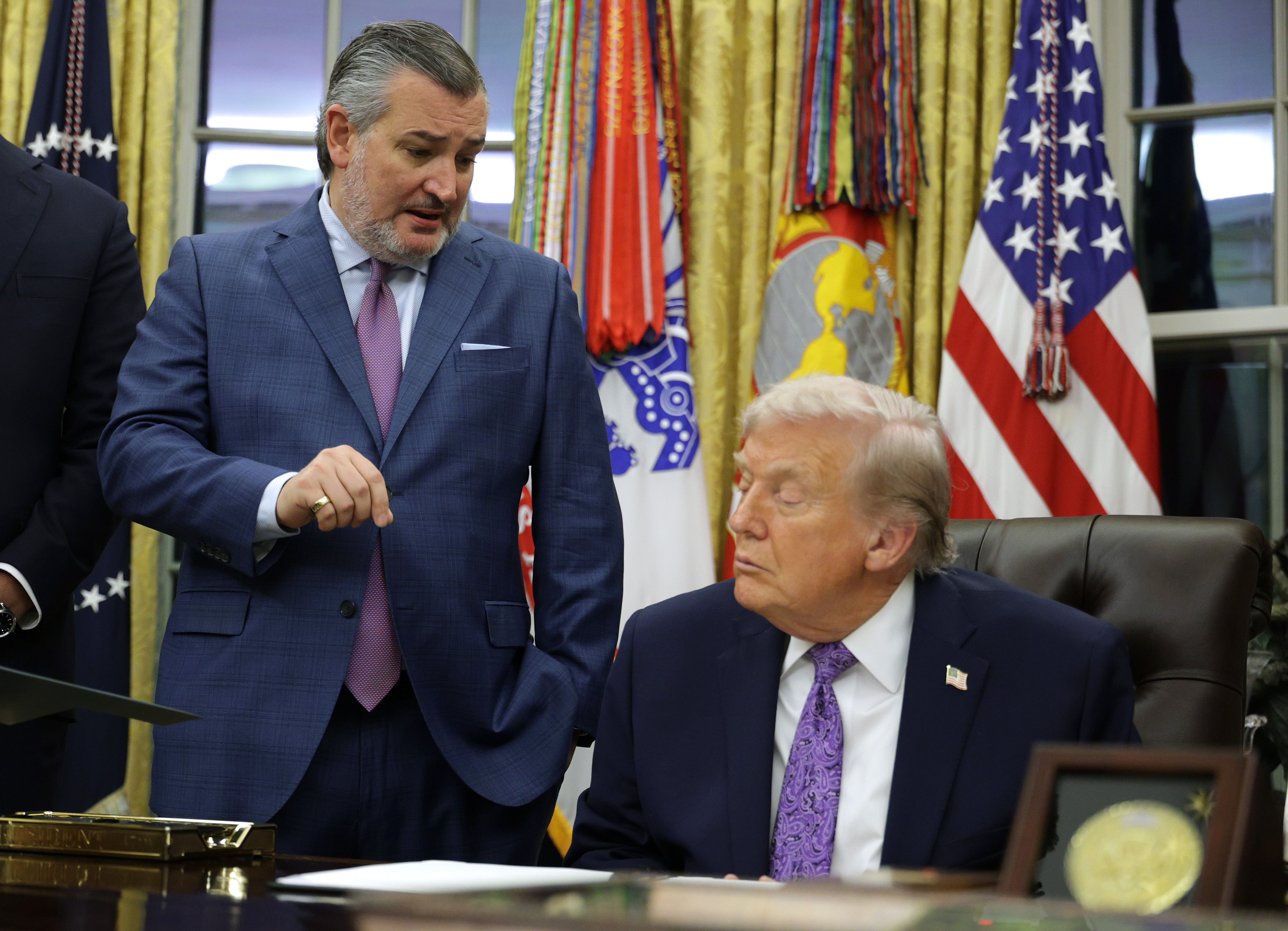
Cruz’s comments came as Trump spoke this week about the possibility of facing new Supreme Court vacancies during his second term.
“It could be two, could be three, could be one. I don’t know — I’m prepared to do it,” he told Fox Business in an interview that aired on Wednesday.
Political observers have speculated that the conservative Justice Samuel Alito, 76, who was nominated under the George W. Bush administration, could be the next to step down.
Alito was taken to the hospital in March and treated for dehydration, the Supreme Court confirmed.
He also has a forthcoming book, So Ordered: An Originalist’s View of the Constitution, the Court, and Our Country, fueling further discussion that he is cementing his public legacy before leaving the Supreme Court.
Sen. Chuck Grassley, chairman of the Senate Judiciary Committee, told reporters he’s “fully prepared” to forward a new nomination if the need arises.
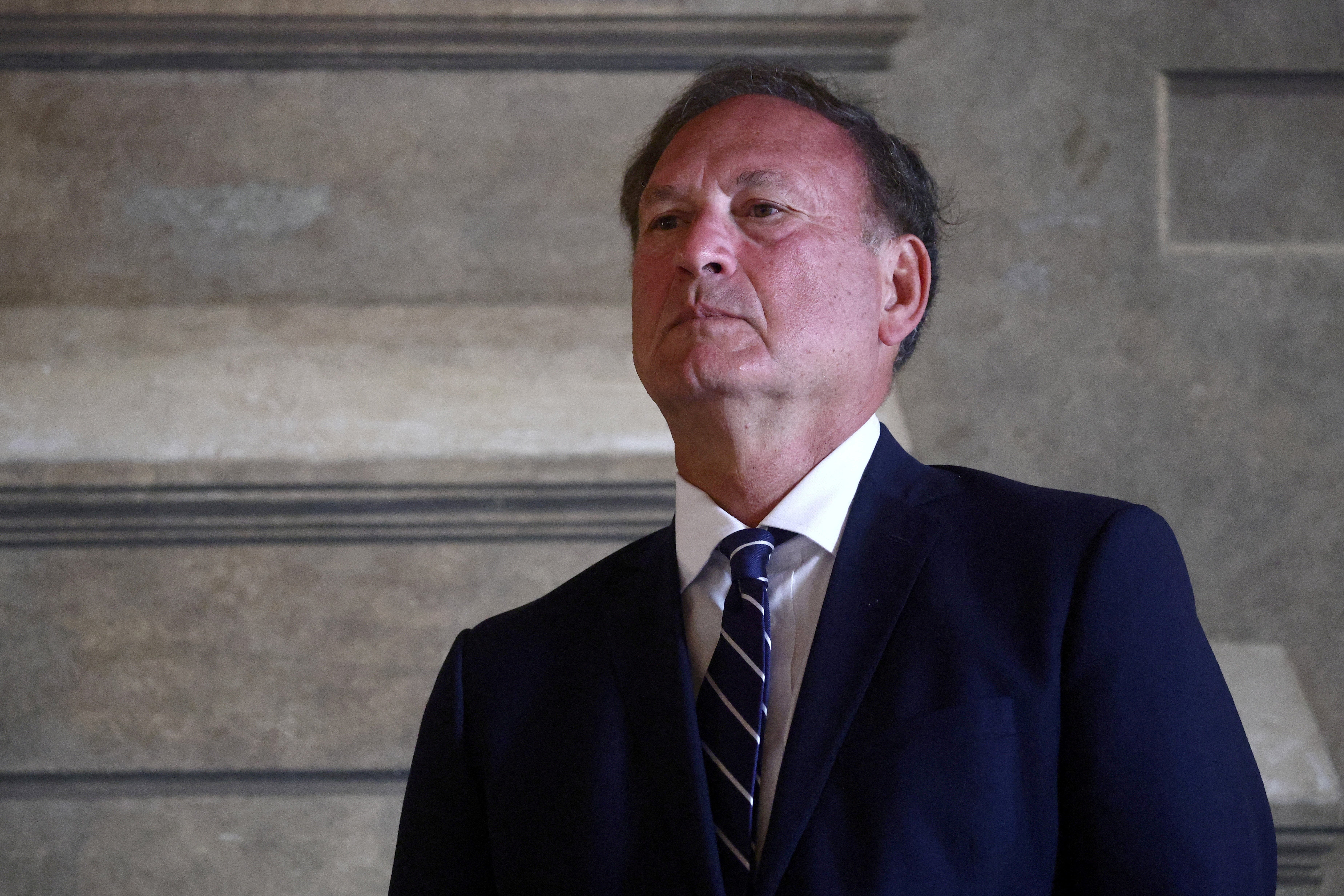
“I hope he doesn’t retire,” Grassley said of Alito. “But if he does retire, I’m going to suggest that either [Sen. Mike] Lee or Cruz be put on the Supreme Court.”
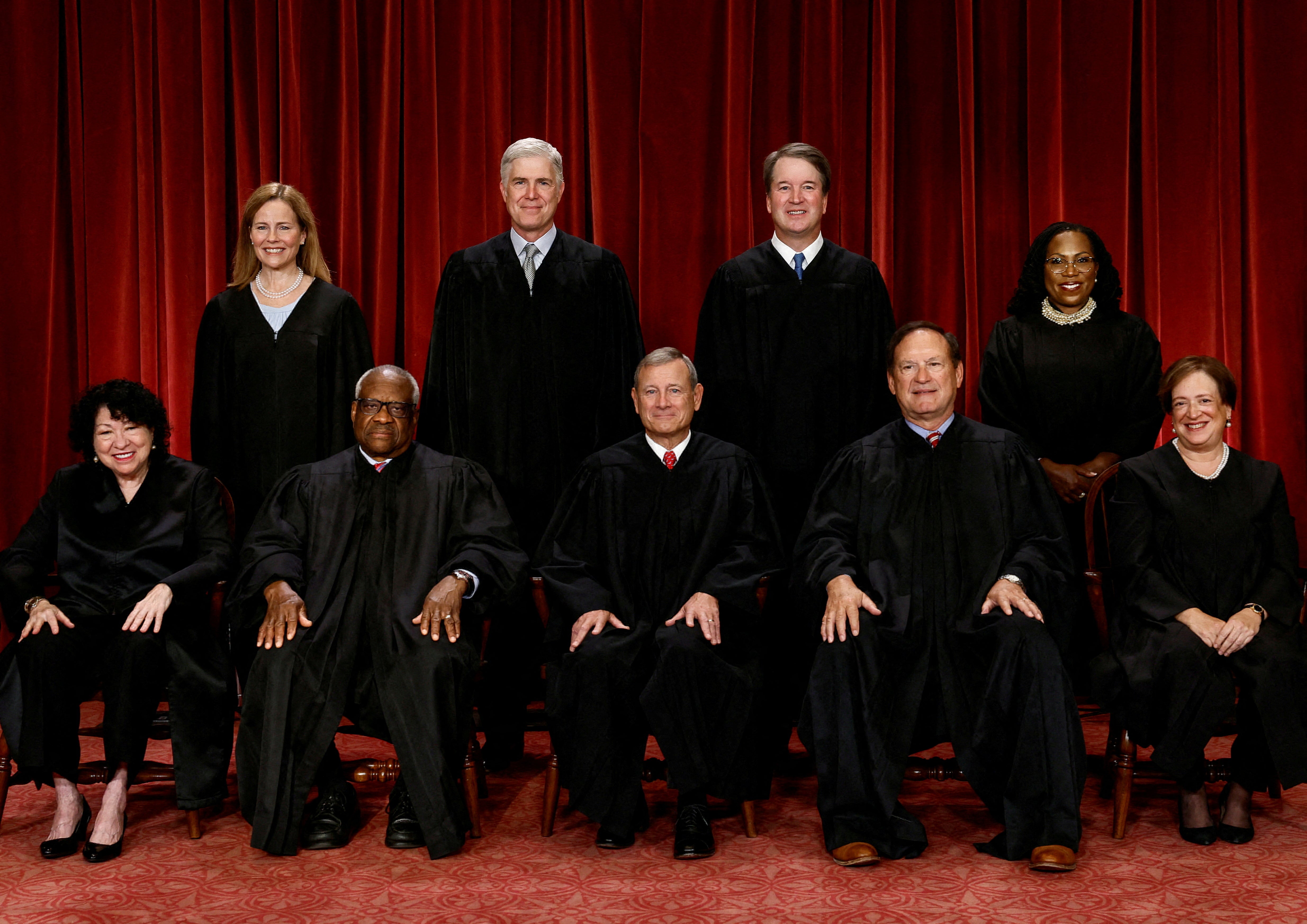
During the first Trump administration, the president successfully nominated three justices to lifetime appointments on the high court: Neil Gorsuch, Brett Kavanaugh, and Amy Coney Barrett.
The nominations locked in a 6-3 conservative supermajority on the court that could persist for years.
The court has often ruled in favor of the administration, especially in emergency appeals of lower decisions that originally found Trump administration policies to be illegal.
It has also delivered multiple high-profile victories to Trump, including a ruling allowing immigration stops based on appearance and a 2024 decision finding that presidents have broad immunity from prosecution for official acts taken in office. The decision stalled a pending federal trial against the Republican, who then managed to entirely evade prosecution by winning reelection.
The Trump-packed court hasn’t always sided with the president though.
A February ruling striking down the Republican’s sweeping tariff policies was a major blow to the administration.
The court is currently considering another significant case, over whether the administration can use an executive order to end birthright citizenship, which is enshrined in the 14th Amendment.
The president has put public pressure on the court to rule his way in the birthright citizenship case, attending oral arguments in person earlier this month, the first time a sitting president has ever watched the deliberations in person.




















 Bengali (Bangladesh) ·
  English (United States) ·